Best Things to Do on Maui This Spring 2026
Why Spring Is Maui's Best-Kept Secret
March through May is the shoulder season on Maui — summer crowds have not yet arrived, the weather is settling into its most reliable stretch of the year, and a handful of seasonal experiences are only available right now. The humpback whales that fill the channel from December through March are making their final appearances. The slopes of Haleakalā are covered in wildflowers. The road to Hana is at its most lush and least congested. If you are planning a Maui trip and have any flexibility in timing, spring is the argument for going sooner rather than later.
Catch the Last of Whale Season (Through April)
Humpback whales migrate from Alaska to Maui's warm waters every winter to breed and give birth. Peak season is January through March, but whales are still present through April — and some years into early May. Spring whale watching has a different character than the peak: fewer boats on the water, more relaxed tours, and whales that are sometimes socializing and active as they prepare to head back north. The Au Au Channel between Maui, Lānaʻi, and Molokaʻi is where the concentration is highest. Most whale watch tours depart from Maʻalaea Harbor or Lahaina Harbor and run about two to three hours. Once the whales are gone, they are gone until December — so if there is any chance you will be on Maui in March or April, book a tour.
Road to Hana — Spring Is Prime
The Hāna Highway is always beautiful, but in April and May it is extraordinary. The roadside vegetation blooms after the wetter winter months: African tulips in red and orange, wild ginger, and dense tropical forest all the way down to the black sand beaches. Traffic is noticeably lighter than summer — you will still share the road, but you will not be stuck behind rental cars at every pullout. Waiʻanapanapa State Park (the black sand beach) requires advance reservations — book online through the Hawaii state parks system before your trip, as walk-in access is limited. Plan for a full day minimum. If you are staying overnight in Hāna, spring weekends are far easier to book than July or August.
East Maui Taro Festival — Hāna, April
The East Maui Taro Festival is held annually in Hāna in April and is one of the most genuinely local events on the Maui calendar. Taro — kalo in Hawaiian — is culturally central to Native Hawaiian tradition, and this festival centers on that history alongside live music, food vendors, arts, and cultural demonstrations. It draws a mix of Hāna residents, Maui locals, and visitors who made the drive specifically to be there. The setting in Hāna is itself worth the trip. Check the official festival website for this year's dates as the exact weekend shifts annually.
Haleakalā — Wildflowers and Cleaner Views
Haleakalā National Park's summit sits at 10,023 feet and is worth visiting any time of year, but spring brings wildflowers to the slopes below the summit, including the silversword plant (ʻāhinahina) which grows only on Haleakalā and nowhere else on Earth. Spring weather at the summit is more stable than winter — fewer rain delays at the top, better odds of a clear sunrise. Sunrise at Haleakalā requires an advance reservation (book through recreation.gov several months ahead; they sell out consistently). Sunset does not require a reservation. Both are worth doing — sunrise for the light show, sunset for the colors washing down the crater walls.
Makena Big Beach — Calm Before the Summer Crowds
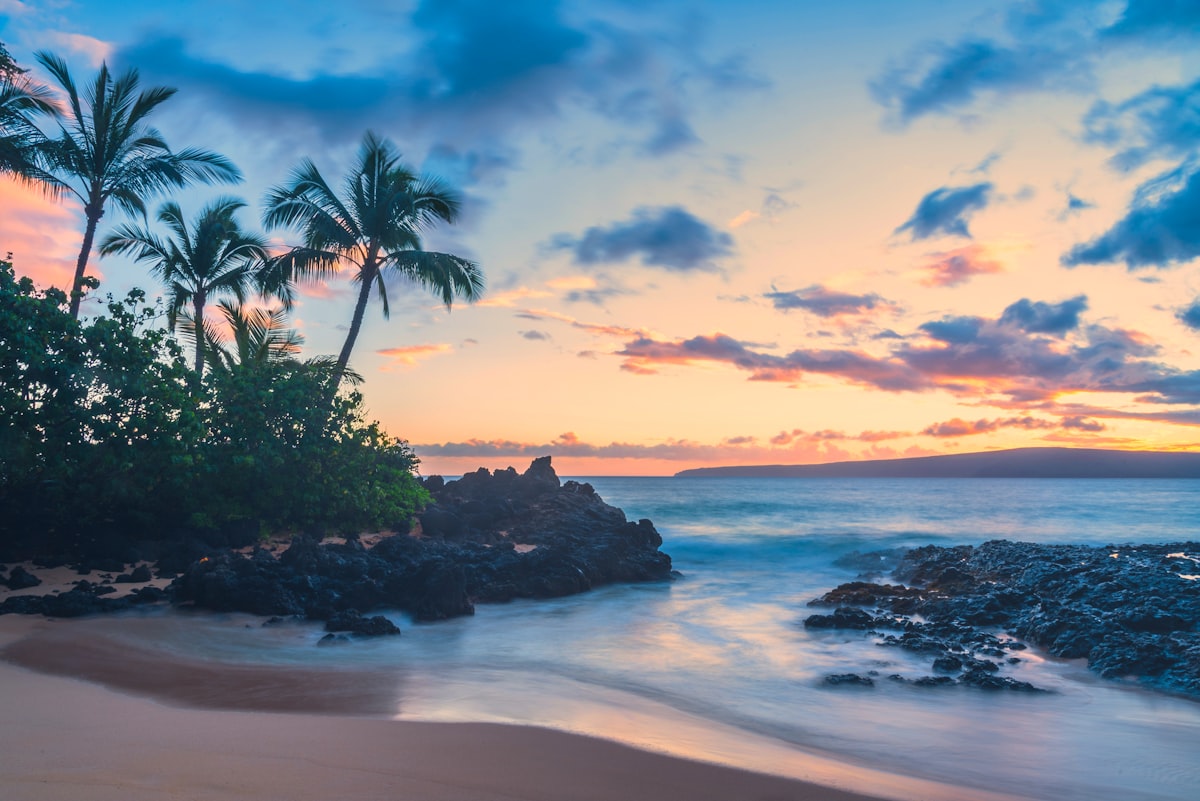
Makena State Park's Big Beach (Oneloa) is one of Maui's finest stretches of sand — wide, long, and backed by kiawe trees with no development. In spring it is genuinely tranquil. Summer turns it into one of the busiest beaches on the island. The shore break at Big Beach is powerful even on calm days — it is a bodyboarders' beach, not a swimming beach. If you want calm water for swimming or snorkeling, Little Beach (accessed by climbing the rocky point at the north end of Big Beach) is a smaller cove that is more protected. Park early on weekends — the lot fills by mid-morning in peak season and spring weekends are becoming increasingly busy.
Molokini Crater Snorkeling — Best Conditions in Spring
Molokini is a partially submerged volcanic crater about 2.5 miles off the coast of Maui, and it is consistently ranked among the best snorkeling spots in Hawaii. The visibility inside the crater can exceed 150 feet. Spring brings some of the calmest sea conditions of the year — the winter swells have subsided and the summer trade wind chop has not fully arrived. Morning trips depart from Maʻalaea Harbor and typically reach the crater before wind picks up. Book with an operator that goes to the back wall side as well as the inner crater — the drop-off side has different fish and dramatically better visibility.
Maui Film Festival — June Preview
If your trip extends into June, the Maui Film Festival runs annually at Wailea and features outdoor screenings under the stars on the Wailea Golf Course. It is one of the most unique film festival settings in the country — bring a blanket, the temperatures are warm, and the screenings sometimes include Q&As with filmmakers. The festival typically runs for five nights in June. Early June is also when Maui's summer weather solidifies: warm, drier on the south and west shores, and less variable than spring. It bridges the shoulder season into full summer perfectly.
Which Side of Maui for Spring Weather
Maui's weather varies dramatically by location. South Maui (Wailea, Kihei, Makena) and West Maui (Lahaina, Kaanapali, Kapalua) get the least rain year-round — spring there is dry and sunny most days. Upcountry Maui (Makawao, Kula) is cooler and sometimes cloudy but beautiful and far less touristy. East Maui (Hāna, Ke'anae) is the wettest part of the island — which is exactly why it is so lush, and spring is when that lushness peaks. Plan activities by geography based on your tolerance for rain.
Best Things to Do on Maui This Spring 2026
Looking for things to do in Maui? Browse upcoming Maui events →
Related Reading
Stay in the loop
Get the Friday Hawaii events email
Free. One email a week with what's happening across the islands. No spam, unsubscribe anytime.