Big Island in 5 Days — Volcano, Mauna Kea, Black Sand & Kona
Five Days Gives You Room to Breathe
Four days on the Big Island is survivable. Five is the sweet spot. You get a full day at Hawaii Volcanoes National Park without rushing, time to actually summit Mauna Kea (or at least the visitor station), a morning on a black sand beach, and two days on the Kona Coast for coffee and snorkeling. Here is how to stack them.
Day 1: Arrive Hilo — Downtown and Rainbow Falls
Land at Hilo International (ITO), pick up your rental car, and resist the urge to drive immediately across the island to Kona's sunshine. Hilo has its own appeal. Check in, then drive four miles west to Rainbow Falls in Wailuku River State Park — a 80-foot waterfall that produces a genuine rainbow in morning light. Walk downtown Hilo on Kamehameha Avenue and grab lunch at Cafe 100, home of the loco moco since 1946. Browse Hilo Farmers Market if you arrive Wednesday or Saturday. Easy dinner at Nori's Saimin and Snacks, a Hilo institution.
Day 2: Hawaii Volcanoes National Park — Full Day
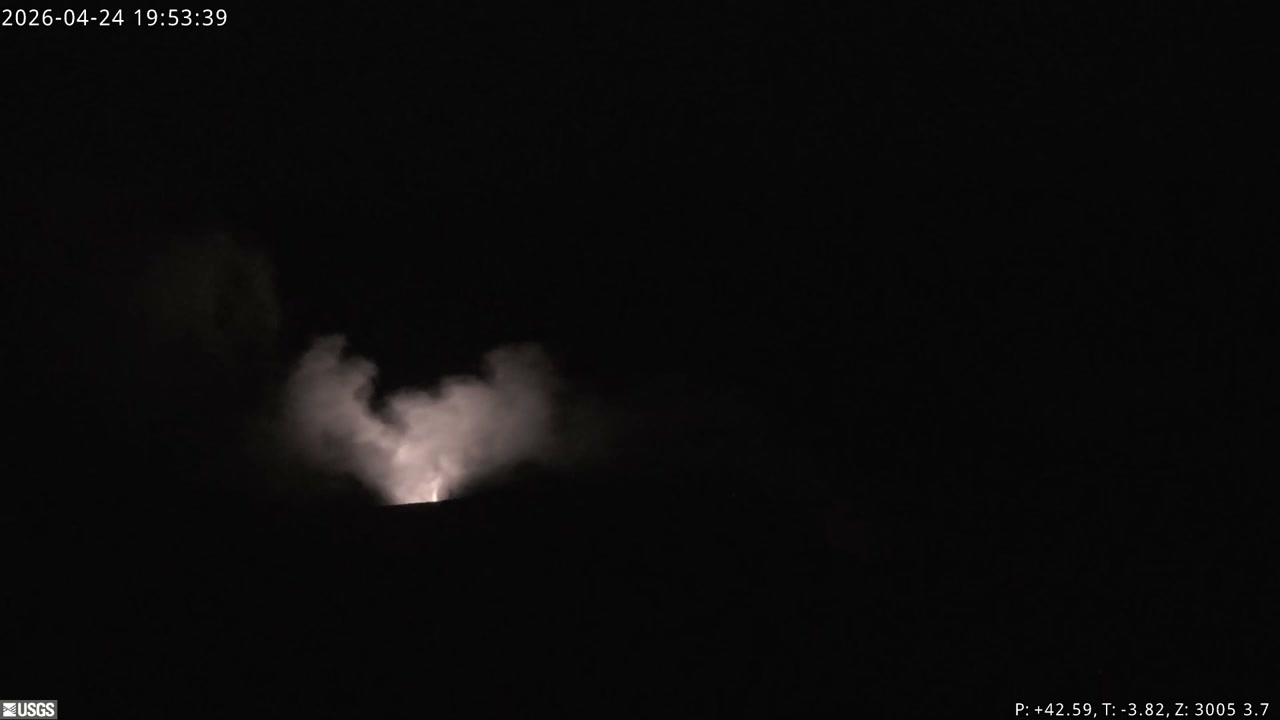
A full day here still feels rushed. Start with the Kilauea Iki Trail (4 miles, 2.5 hours), which descends 400 feet through rainforest and crosses the 1959 eruption floor. Then drive Chain of Craters Road 20 miles to the coast to see the lava bench and Holei Sea Arch. Eat your packed lunch at the coastal picnic area. Drive back up and walk the Devastation Trail through the 1959 cinder field, then check the eruption status board at the visitor center for afternoon glow timing. If Kilauea is active, return at dusk for the crater glow — it is one of the most dramatic natural sights in the Pacific. Note: vog (volcanic smog) can irritate lungs; people with asthma should check AQI at weather.gov/hnl before extended outdoor time in the park.
Day 3: Mauna Kea — Summit or Visitor Station
Drive Saddle Road (Highway 200) west from Hilo. The Mauna Kea Visitor Information Station at 9,200 feet is open daily and offers free stargazing programs at 6 p.m. (no reservation needed, dress warmly — it drops below 40 degrees at night). If you want to drive to the actual 13,796-foot summit, you need a 4WD vehicle with high clearance — check the road condition at ifa.hawaii.edu/info/vis. The observatories at the top on a clear day offer a view of the cloud layer below and the curvature of the earth. Drive back to Hilo and pack your bags for a move to the Kona side tomorrow.
Day 4: Black Sand Beach and Kona Town
Drive Saddle Road or the southern route to Kona. Stop at Punaluu Black Sand Beach on the southern route — the beach is volcanic black glass and a nesting site for hawksbill and green sea turtles. They haul out regularly; keep your distance (required by law, six feet minimum). Arrive Kona by early afternoon. Check into your accommodation, walk Ali'i Drive along the waterfront, and sample Kona coffee at one of the downtown cafes. Dinner at Huggo's on the Rocks right on the water.
Day 5: Coffee Farm Tour and Snorkeling at Two Step
Morning: drive Highway 180 (Mamalahoa Highway) through the coffee belt above Kona. Stop at Greenwell Farms for a free farm tour — they have been growing Kona coffee on the same land since 1850. Then drive south on Highway 11 to Honaunau Bay, locally called Two Step for the two flat lava ledges you step off to enter the water. This is consistently rated one of the top snorkel spots in Hawaii — clear water, spinner dolphins in the morning, and an abundance of reef fish. Fly out of Kona International Airport (KOA).
Key Logistics
- Fly in Hilo, fly out Kona: This eliminates 2.5 hours of backtracking and is often the same airfare. Check both airports when booking.
- Rental car class: A standard car handles everything in this itinerary except the Mauna Kea summit road, which requires 4WD. If the summit is on your list, upgrade or rent a Jeep separately for Day 3.
- Vog awareness: The Kona side is more affected by volcanic smog than Hilo. AQI varies day to day. weather.gov/hnl posts the forecast.
- Pack layers: Mauna Kea at 9,200 feet is genuinely cold even in summer. A jacket and hat are not optional.
- Timing: June through August is dry season on the Kona side. The Hilo side gets rain year-round but the park is worth it regardless.
I left Volcano Village at 4:12 a.m. so I could drive Chain of Craters Road before the buses hit. The road was empty for the first 40 minutes. Pulled over at the Kealakomo overlook just after sunrise and watched a cliff drop straight into the Pacific with nobody else around. By 9:00 a.m. it was a different scene — pull-outs full, a tour van blocking a viewpoint. The Big Island rewards starting early in a way Oahu doesn't. Five days is enough if you plan around early starts and pick your stays carefully.
Looking for things to do in Big Island? Browse upcoming Big Island events →
Related Reading
Stay in the loop
Get the Friday Hawaii events email
Free. One email a week with what's happening across the islands. No spam, unsubscribe anytime.