Hawaii Bon Dance Season 2026: Your Complete Guide to Obon in the Islands
Every summer, the sound of taiko drums drifts through Hawaii's temple grounds as communities gather to honor their ancestors through one of the most beautiful traditions the islands have to offer. Hawaii's Bon Dance season — rooted in the Japanese Buddhist practice of Obon — runs from late June through mid-August, and in 2026 it promises to be just as magical as ever. Whether you're a lifelong kamaʻāina or visiting for the first time, here's everything you need to know.
What Is Bon Dance (Obon)?
Obon is a centuries-old Japanese Buddhist tradition centered on welcoming back the spirits of ancestors who have passed. For a few days each summer, families clean grave sites, light lanterns, and gather to dance the bon odori — a circular folk dance performed around a raised wooden tower called a yagura, where musicians and dancers lead the crowd.
Japanese plantation workers brought Obon to Hawaii in the late 1800s and early 1900s, and what began as a religious observance within tight-knit immigrant communities has evolved into something uniquely Hawaiian. Today, Bon Dance in Hawaii is a multicultural, multigenerational celebration that draws everyone from Buddhist families honoring their elders to curious newcomers who just followed the sound of the drums. The temples are open to the public, there's no entry fee, and the spirit of aloha runs through every song.
When Does Bon Dance Season Start in 2026?
The season typically kicks off in late June and runs through mid-August, with the heart of it concentrated throughout July. Each temple sets its own weekend, which means you can hop from one to the next across an entire summer of evenings.
Dates are confirmed by individual temples, usually a few weeks in advance. The best way to track them all in one place is AlohaCalendar's cultural events calendar — we update listings as temples announce their schedules.
Oahu Bon Dance: Where to Go
Oahu has the densest concentration of Bon Dance events, anchored by some of the oldest Buddhist missions in the state.
Honpa Hongwanji Mission of Hawaii — Nuuanu
One of the most well-attended Bon Dances on the island, held at the headquarters temple on Pali Highway in Nuuanu. The grounds fill up quickly, food booths line the walkways, and the yagura lights up the night beautifully. Arrive by dusk — the dancing begins as the sun goes down.
Jodo Mission — Pali Highway
Just down the road from Honpa Hongwanji, the Jodo Mission holds its own Bon Dance weekend with a strong community turnout. The setting, tucked into the Nuuanu Valley with lush greenery all around, is hard to beat.
Aiea Hongwanji
A beloved neighborhood event drawing families from Central Oahu. Known for excellent food booths and a welcoming crowd that actively invites newcomers into the dance circle.
Soto Mission Nuuanu
Soto Mission's Bon Dance is one of the more traditional in atmosphere, with careful attention to the ceremonial roots of Obon alongside the festive elements.
Wahiawa Hongwanji
Out in the center of the island, Wahiawa Hongwanji draws a strong local crowd and tends to be a bit less crowded than the city temples — a great pick if you want a more intimate feel.
Browse all Oahu Bon Dance events and filter by date at AlohaCalendar → Oahu Cultural Events.
Maui Bon Dance Circuit
Maui runs what locals call the Bon Dance Circuit — a summer-long series of events spread across the island's temples. If you're on Maui in July, you could theoretically attend a different Bon Dance nearly every weekend.
Key temples on the circuit include:
- Lahaina Jodo Mission — stunning oceanfront setting; one of the most photographed Bon Dances in the state
- Wailuku Hongwanji Mission — central Maui, easy to get to, strong community turnout
- Kahului Hongwanji — another central Maui anchor event
- Kihei Hongwanji — South Maui's entry, popular with visitors staying in the resort corridor
- Makawao Hongwanji — upcountry vibes, cooler temperatures, local crowd
- Haiku Hongwanji — small and intimate, the kind of event that feels like being welcomed into someone's family gathering
Big Island Bon Dance
On the Big Island, both Hilo and Kona host Bon Dance events through the summer. The Hilo-side temples benefit from East Hawaii's cooler evenings and a deeply rooted Japanese-American community. Kona-side events are popular with visitors and tend to be lively with a mix of locals and travelers. Check listings as the season approaches — Big Island temples often announce dates later than Oahu.
What to Expect at a Hawaii Bon Dance
Here's the honest rundown so you arrive confident and ready to enjoy it.
The atmosphere: Think of it as a community gathering with a spiritual heart. It's peaceful, festive, and genuinely warm. Families spread out blankets, elderly residents who have been coming for decades greet each other, and kids run between food booths.
The dancing: The bon odori circle forms around the yagura, where a caller leads the dance from above with a microphone and live or recorded music. Each song has its own choreography — simple, repetitive hand and foot movements that anyone can pick up in a minute or two. Jump in. Locals will show you the steps. There's no judgment, only encouragement.
The food: This is not a drill — the food booths are excellent. Look for:
- Yakisoba (stir-fried noodles)
- Shave ice in every flavor
- Mochi and andagi (Okinawan doughnuts)
- Teriyaki chicken plates
- Spam musubi (obviously)
- Shaved beef dishes and refreshing ramune soda
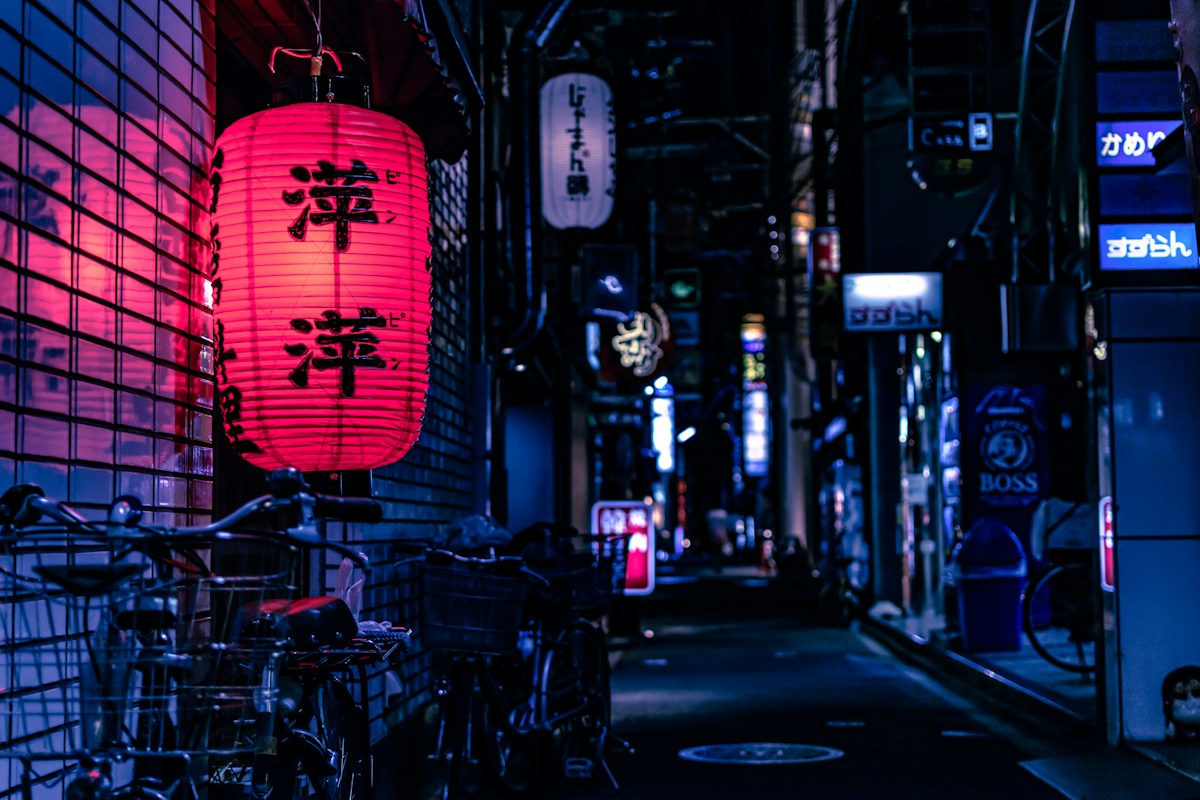
The lanterns: At many events, paper lanterns are lit and floated or displayed as a tribute to the departed. It's quiet and beautiful and the moment that tends to stay with you.
What to Wear
Casual is completely fine. Most locals show up in shorts and a t-shirt. Comfortable shoes matter — you'll be on pavement or grass, and you may want to dance.
That said, wearing a yukata (a lightweight Japanese summer kimono) is warmly welcomed and adds to the experience. Some temples rent or sell yukata on-site, and you'll find them at Japanese cultural stores and sometimes at larger craft fairs leading up to the season. If you want to try one, plan ahead — sizes go quickly.
Practical Tips
- Arrive at dusk. Events typically begin around 6:30–7 PM and run for two to three hours. The earlier part of the evening has the best light for photos and the fullest food booths.
- Bring cash. Most food booths are cash only.
- Parking varies. Temple lots fill up fast at popular events. Plan to park a block or two away and walk in.
- It's free. There's no admission. Donations are welcome and support the temple.
- It's family-friendly. Kids of all ages are welcome; the vibe is gentle and inclusive.
- Watch the AlohaCalendar listings. Dates are confirmed on a rolling basis — the most reliable way to know what's happening this weekend is to check the calendar and set an alert for your island.
A Tradition Worth Showing Up For
Hawaii's Bon Dance season is one of those things that sounds nice in a guidebook and turns out to be genuinely moving in person. There's something about the drums carrying across a warm July night, the lanterns glowing, and a circle of strangers dancing together in memory of people they never met that cuts through the everyday noise.
It's free. It's open to everyone. And it only happens once a year.
Find this summer's full schedule — across all islands, updated as temples confirm — at AlohaCalendar's cultural events page. Set a reminder, show up at dusk, and join the circle.
Stay in the loop
Get the Friday Hawaii events email
Free. One email a week with what's happening across the islands. No spam, unsubscribe anytime.