Kona vs. Hilo: Which Side of the Big Island Is Right for You?
The Big Island is the only Hawaiian island large enough that the weather is fundamentally different from one side to the other. Kona (west) and Hilo (east) sit 87 miles apart and receive completely different climates, infrastructure, and visitor experiences. Flying into the wrong one without understanding the difference costs time and money.
Climate: The Most Important Difference
Kona: The leeward (west) coast sits in the rain shadow of Mauna Kea and Mauna Loa. Average annual rainfall in Kailua-Kona is 20–25 inches, mostly at night or in the mountains. The coast gets 300+ days of sunshine per year. Morning overcast ("Kona clouds") burns off by 10 AM almost daily.
Hilo: The windward (east) coast catches every trade wind system coming from the northeast, wringing them out over the mountains before they reach Kona. Hilo receives 130–140 inches of rain per year — it is consistently one of the rainiest cities in the United States. Rain falls most afternoons. The town is green, lush, and genuinely tropical.
This single fact shapes everything. If your trip depends on beach days and snorkeling, Kona. If rain is acceptable or a feature (waterfalls, rainforest), Hilo is worth it.
Kona — What You Get
Kona is where the vast majority of Big Island tourism concentrates. The Kailua-Kona town strip (Ali'i Drive) holds most of the island's restaurants, surf shops, tour operators, snorkel outfitters, and water-activity providers.
Beaches: Kahaluʻu Beach Park is the best easy-access snorkel on the island — reef directly off the beach, sea turtles guaranteed, calm water year-round. Magic Sands Beach (White Sands) is the only real swimming beach in town, small but pretty. The Kohala Coast resorts (30 minutes north of Kailua-Kona) have resort-grade beaches: Mauna Kea Beach, Hapuna Beach (one of the best on the island), Anaehoomalu Bay.
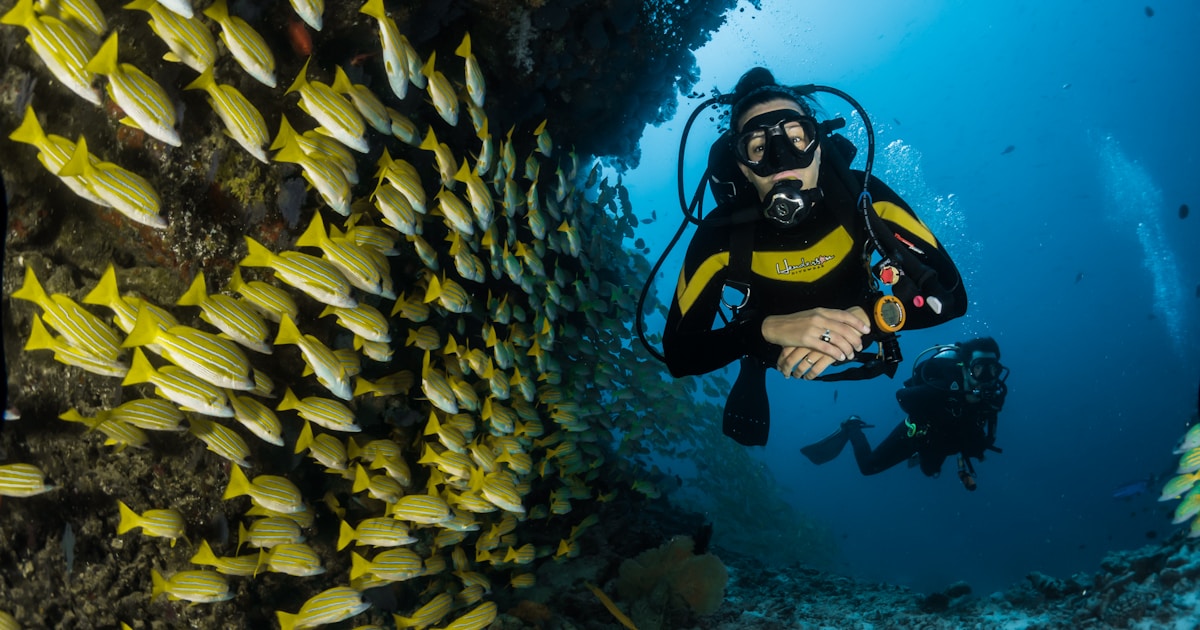
Water activities: All manta ray snorkel and dive tours depart from Honokohau Harbor. All commercial whale watching tours (December–April) leave from the same harbor. Snorkel cruises to Kealakekua Bay (Captain Cook Monument) depart from Keauhou or Honokohau. The snorkel at Kealakekua Bay is the best in the state — 80 feet of visibility, coral walls, spinner dolphins.
Coffee: The Kona Coffee Belt runs 30 miles along the slopes of Hualalai and Mauna Loa between Holualoa (north) and Honaunau (south). Greenwell Farms, Mountain Thunder, Kona Joe, and a dozen smaller farms offer tours and tastings. The appellation is geographically defined — only coffee grown here can be labeled "Kona Coffee."
Luaus: The Island Breeze Lūʻau at King Kamehameha's Kona Beach Hotel is the main option in town. Resort luaus at the Kohala Coast properties (Hilton Waikoloa, Mauna Lani, Fairmont Orchid) run Tuesday-Saturday at premium prices.
Cost: Kona has the highest accommodation prices on the island. Oceanfront condos on Ali'i Drive run $200–400/night. Kohala Coast resorts start at $400/night and go well above $800.
Restaurants: More variety and higher quality than Hilo. Worth hitting: Jackie Rey's Ohana Grill, Da Poke Shack, Kona Brewing Company, Daylight Mind Coffee, Foster's Kitchen.
Manta ray night dives → Kayaking in Hawaii →
Hilo — What You Get
Hilo is the Big Island's county seat, largest city, and the most local-feeling town in all of Hawaii. It has a 1950s downtown with intact storefronts, a Japanese-American neighborhood character from plantation-era immigration, and genuine farmers market culture.
Waterfalls: Rainbow Falls (free, 10 minutes from downtown) drops 80 feet into a lava cave plunge pool. Akaka Falls (State Park, $5 parking) is a 442-foot single drop — the tallest in Hawaii. Both are accessible without hiking.
Farmers Market: The Hilo Farmers Market on Wednesday and Saturday mornings is the best in the state — 200 vendors, local produce you've never seen, aloha shirts, fish, flowers, and cheap plate lunches. Go early.
Volcano proximity: Hawaiʻi Volcanoes National Park is 45 minutes from downtown Hilo. For multiple day trips to the park, staying in Hilo saves 90 minutes of driving per round trip versus Kona.
ʻImiola Street / Downtown: The historic downtown has independent bookstores, fishing supply shops, noodle houses, and old movie theaters that haven't been converted. Coconut Island (Mokuola) is a small island in Hilo Bay accessible by footbridge — good picnic spot, local families on weekends.
Liliuokalani Gardens: 30-acre Japanese garden on Hilo Bay — pagodas, koi ponds, moon bridges. Free. Rarely visited by tourists.
Cost: Hilo runs 30–50% cheaper than Kona for accommodation. Downtown guesthouses, B&Bs, and vacation rentals regularly run $100–150/night. The trade-off is more rain and fewer beach options.
Restaurants: Smaller selection but excellent local spots. Ken's House of Pancakes (open 24 hours, legendary), Puna Kai (breakfast), Umekes Fish Market (best poke on the island), Moon and Turtle (farm-to-table, dinner only).
The Drive Between Them
Kona and Hilo are connected by two routes:
Saddle Road (HI-200 / Daniel K. Inouye Highway): Crosses between Mauna Kea and Mauna Loa at about 6,500 feet. 87 miles, approximately 1.5–1.75 hours. The most direct route. Now fully paved and rental-car accessible. Dramatic high-altitude scenery. Watch for cattle.
Coastal Highway (HI-19 north / HI-11 south): The long way around — 130+ miles, 2.5–3 hours depending on direction. South route (via Volcanoes NP) passes the park and can be combined with a volcano day.
Who Should Base in Kona
- Travelers who want beach days, water activities, and sunset dinners as the core experience
- Anyone doing a snorkel cruise, manta ray night dive, or whale watching tour
- Visitors who want access to the Kohala Coast resort beaches
- Anyone spending fewer than 5 days on the island
Who Should Base in Hilo
- Travelers doing multiple trips to Hawaiʻi Volcanoes National Park
- Budget travelers (30–50% cheaper)
- Anyone interested in local Hawaii culture over resort Hawaii
- Waterfall and rainforest enthusiasts
Who Should Do Both
Honest answer: most visitors benefit from splitting time. The standard approach is 2–3 nights Kona for water activities and beaches, 2 nights Hilo for the volcano, waterfalls, and farmers market. The Saddle Road drive itself is worth the crossing.
Big Island volcano night viewing → Big Island events →
Book Your Experience
Local operators on AlohaCalendar:
Frequently Asked Questions
Is Kona or Hilo better for tourists?▼
Kona for beaches, water activities, coffee farms, whale watching, and resort amenities. Hilo for waterfalls, local culture, Volcano NP proximity, and 30–50% lower accommodation costs. Most visitors benefit from splitting time between both.
How far is Kona from Hilo?▼
87 miles via Saddle Road (HI-200), about 1.5–1.75 hours. The coastal routes north or south are 130+ miles and 2.5–3 hours.
Is Hilo worth visiting on the Big Island?▼
Yes. Rainbow Falls, the Saturday Farmers Market, Akaka Falls, Volcano NP proximity, and genuine local restaurant culture are all in Hilo — at prices 30–50% lower than Kona.
Which airport should I fly into on the Big Island?▼
Kona International (KOA) for beaches and water activities — it has more direct flights from the mainland. Hilo International (ITO) if your focus is the volcano, waterfalls, or east-side culture.
Stay in the loop
Get the Friday Hawaii events email
Free. One email a week with what's happening across the islands. No spam, unsubscribe anytime.