Best Snorkeling Spots on Oahu 2026 — Where to See Turtles, Reef Fish & More
Oahu's Underwater World Is More Accessible Than You Think
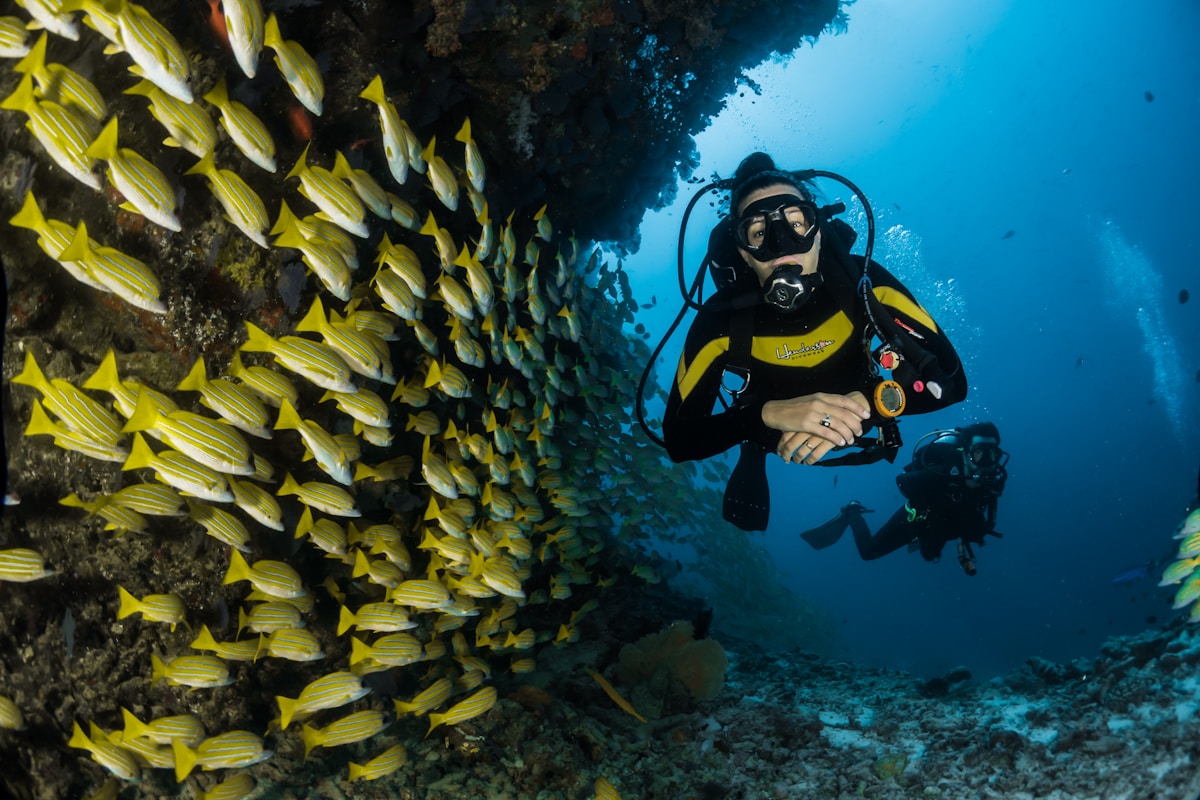
Oahu's reefs are home to over 400 species of fish, green sea turtles, octopus, moray eels, and on lucky days, spotted eagle rays and reef sharks. You don't need to dive to see most of them — good snorkeling spots are accessible right from shore, and the warm, clear water gives visibility that surprises most first-timers. Here is where to go based on what you want to see and how much effort you want to put in.
Hanauma Bay — The Premier Experience
Hanauma Bay Nature Preserve on Oahu's southeast coast is the gold standard for accessible snorkeling on the island. The bay sits inside a collapsed volcanic crater that shelters the water and creates an ideal environment for reef fish to thrive in large numbers. You will almost certainly see green sea turtles here — they are resident, not occasional visitors. The fish density is extraordinary: clouds of convict tangs, butterflyfish in pairs, large parrotfish working the coral.
Reserve online in advance (the state requires it and spots fill weeks out in peak season). An educational video about reef stewardship is required before you enter the water — it takes about 10 minutes and covers how to snorkel without damaging coral. Gear rental is available on-site. Arrive for the first entry slot of the day (7 AM) for the best visibility and the best chance of seeing turtles before crowds stir up the sand.
Shark's Cove — North Shore Tide Pool and Reef
Shark's Cove on the North Shore near Pupukea is Oahu's best non-protected snorkel spot. It's a rocky lava cove with a natural bowl that shelters the water in summer (May through September), creating a calm lagoon full of reef fish, sea turtles, eels, and the occasional small reef shark (harmless — the name is for the cove's shape). The tide pools adjacent to the cove are excellent for children to explore.
Conditions in winter can make Shark's Cove unsafe for snorkeling — large north swells fill the cove with powerful surge. In summer it's excellent. Bring your own gear; rentals are available from shops in nearby Haleiwa town.
Electric Beach (Kahe Point) — Turtle Aggregation
Electric Beach (officially Kahe Point Beach Park) on the Waianae Coast near Ko Olina is a local secret for turtle snorkeling. The name comes from the Hawaiian Electric plant adjacent to the beach, whose warm water discharge creates a temperature gradient that attracts sea turtles in significant numbers — you will see more green sea turtles here than almost anywhere else on the island.
The water is clear and the reef close to shore holds good fish populations as well. It's a long drive from Waikiki but worth it for the sheer number of turtle encounters.
Ko Olina Lagoons — Calm and Beginner-Friendly
The four artificial lagoons at Ko Olina on the west coast were built as resort amenities, but they also happen to be excellent calm-water snorkel spots. The rocks at the openings of each lagoon support a surprising diversity of fish, and the protected, current-free water makes it ideal for beginners and children. Green sea turtles are occasional visitors. It's not wild or remote, but the snorkeling is genuinely good and the conditions are reliable.
Lanai Lookout and Beyond
Lanai Lookout on the southeast shoreline near Hanauma is a local spot with good snorkeling along the rocky shore when conditions are calm. It's exposed and requires more caution than Hanauma or Shark's Cove, but local snorkelers use it regularly and it sees far fewer visitors.
Tips for Snorkeling Oahu
- Check swell forecasts before going to exposed spots like Shark's Cove. Surfline or the National Weather Service Marine Forecast will tell you if there's north or south swell that could affect conditions.
- Reef-safe sunscreen is legally required in Hawaii — regular sunscreens with oxybenzone and octinoxate are banned. Use mineral-based (zinc oxide or titanium dioxide) options.
- Never stand on coral — even dead-looking coral is alive and takes decades to recover from contact.
- Turtles are federally protected — you must maintain a 10-foot distance and never touch or chase them.
- Bring your own mask if possible — a proper fitting mask dramatically improves the experience over rental equipment.
Looking for things to do in Oahu? Browse upcoming Oahu events →
Related Reading
Stay in the loop
Get the Friday Hawaii events email
Free. One email a week with what's happening across the islands. No spam, unsubscribe anytime.