Best Snorkeling Spots in Hawaii 2026 — All Islands Locals' Guide
Hawaii Has Some of the Best Snorkeling in the World
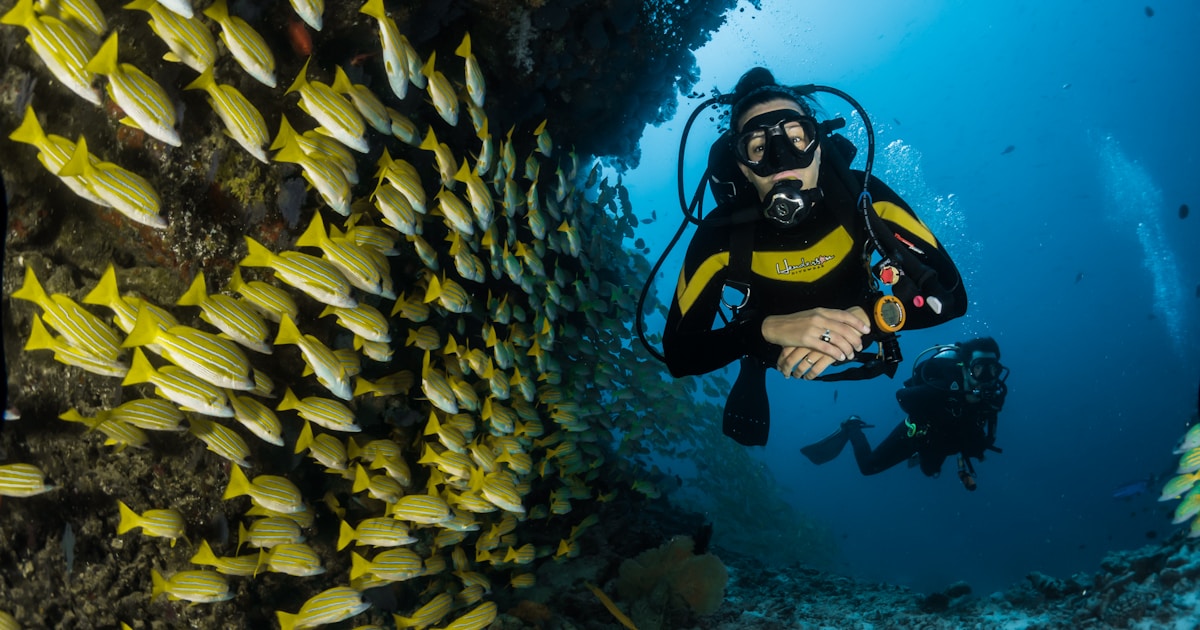
The Hawaiian Islands sit in the middle of the Pacific, surrounded by water that is warm, clear, and home to hundreds of fish species found nowhere else on earth. The snorkeling here is accessible, the conditions on most islands are beginner-friendly for much of the year, and the encounters — green sea turtles surfacing next to you, spinner dolphins resting in a bay, a manta ray gliding below — are the kind of moments people come back to Hawaii to repeat.
This guide covers the best spots on each major island, how to access them, and what to expect.
Oahu — Hanauma Bay and Shark's Cove
Hanauma Bay on Oahu's southeast coast is the most famous snorkel site in Hawaii and justifies the reputation. Inside a volcanic crater, the bay shelters a dense reef ecosystem with exceptional fish diversity and regular green turtle visits. Advance reservations are required. Go at opening for best conditions.
Shark's Cove on the North Shore is the summer alternative — excellent reef, calm conditions May through September, good fish and turtle density without the reservation system. Exposed and unsafe in winter when north swells arrive.
Maui — Molokini Crater and Honolua Bay
Molokini Crater is a partially submerged volcanic crater 2.5 miles off Maui's south coast and one of Hawaii's most iconic snorkel destinations. You reach it by boat tour from Ma'alaea Harbor or Kihei (half-day trips run $80-150 per person). The inside of the crater is calm and clear, with steep walls dropping 60+ feet supporting pelagic fish, reef fish, and frequent turtle sightings. Tour operators make the experience accessible to beginners while the wall-diving side interests more advanced snorkelers.
Honolua Bay on Maui's northwest coast is excellent for snorkeling in summer — a large protected bay with healthy coral and very good visibility. In winter it becomes a surf break. Check conditions before going.
Big Island — Kealakekua Bay
Kealakekua Bay near the Captain Cook Monument on the South Kona coast is the finest snorkeling in Hawaii. Visibility routinely exceeds 80 feet, the coral is extensive and healthy, and the wildlife — spinner dolphins, green turtles, abundant fish life — is extraordinary. Access requires a kayak paddle, boat tour, or steep trail hike. Worth every bit of the effort.
Two Step near Honaunau is the accessible alternative — easy lava-ledge entry directly onto an excellent reef, sea turtles almost guaranteed, consistently one of the best easy-access snorkel sites on the island.
Kauai — Tunnels Beach and Poipu
Tunnels Beach (Makua Beach) on the North Shore near Haena has Kauai's best snorkeling in calm summer conditions — a large fringing reef with dense fish populations and strong turtle presence. Parking is roadside and limited; arrive early.
On the South Shore, Poipu Beach Park's rocky western point offers consistent snorkeling year-round, with good fish diversity and monk seal sightings. South shore conditions are generally calmer and more reliable than the North Shore.
Comparing Islands for a Snorkel-Focused Trip
- Best single site: Kealakekua Bay, Big Island — clearest water, most wildlife, most dramatic setting
- Most accessible: Hanauma Bay, Oahu — boat tours, gear rentals, protected setting, reservation required
- Best boat tour experience: Molokini Crater, Maui — calm inside crater, pelagic encounters, well-run tours
- Best for independent snorkelers: Shark's Cove (Oahu, summer), Two Step (Big Island), Tunnels (Kauai, summer)
- Year-round reliability: Big Island west coast sites (Kealakekua, Two Step, Kahaluu) and Poipu, Kauai
What to Bring and What to Know
A well-fitting mask is the single most important piece of gear — a leaky mask ruins the experience regardless of how good the reef is. Reef-safe sunscreen is required by Hawaii state law (mineral-based only: zinc oxide or titanium dioxide). Never touch or stand on coral. Keep the required 10-foot distance from sea turtles (federal law). Morning snorkeling is almost always better than afternoon — calmer seas, better visibility, more active wildlife.
Hawaii has roughly the most accessible reef snorkeling in the United States. Every island has multiple world-class spots, most within 15 minutes of the airport.Looking for things to do in Hawaii? Browse upcoming events →
Related Reading
Stay in the loop
Get the Friday Hawaii events email
Free. One email a week with what's happening across the islands. No spam, unsubscribe anytime.