Big Island Volcanoes
Where the islands are still being built
Year-round · Kīlauea eruptions come and go · Hawaiʻi Island — Hawaiʻi Volcanoes National Park & the Kona coast
When
Year-round
eruptions vary
Where
Hawaiʻi Volcanoes NP
+ Kona coast
Volcanoes
Kīlauea & Mauna Loa
active + largest
Also
Maunakea dark skies
~13,800 ft
The Big Island is the youngest and largest Hawaiian island, and it's still growing. It's home to Kīlauea — one of the most active volcanoes on earth — and Mauna Loa, the largest. At Hawaiʻi Volcanoes National Park you can walk across cooled lava, peer into a caldera, and, when Kīlauea is erupting, sometimes watch it glow. Around the volcanoes: the clearest night skies on Maunakea, manta rays feeding off Kona, the only major U.S. coffee region, and jet-black volcanic beaches.
The season
Big Island Volcanoes
The youngest island
The Big Island is the newest and by far the largest Hawaiian island, built by five volcanoes and still growing today. Kīlauea and Mauna Loa are among the most active on earth, and the landscape here is measured in decades rather than eons — black lava fields, cinder cones, and steaming ground that formed within living memory.
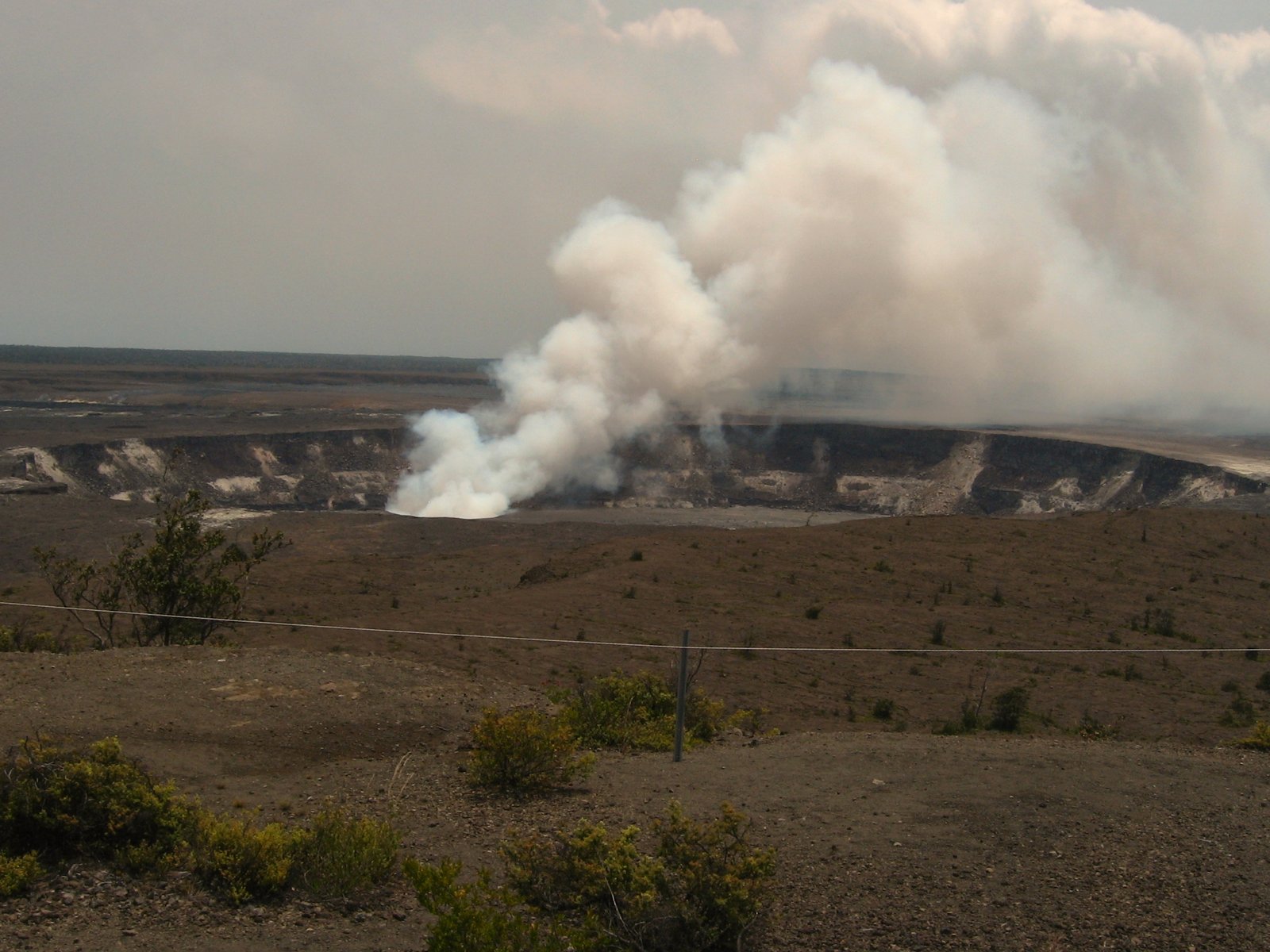
Hawaiʻi Volcanoes National Park
The park protects Kīlauea's summit caldera and its rift zones. Crater Rim Drive and the Chain of Craters Road lead past steam vents, the Nāhuku lava tube, cinder cones, and overlooks of the caldera down to where old flows reached the sea. When Kīlauea is erupting it's one of the few places on earth you can safely watch an active volcano — but eruptions start and stop, so check the park's current conditions and the USGS volcano status before you go.
Beyond the lava
The volcanoes shape everything around them. Maunakea's summit rises to roughly 13,800 feet into some of the clearest, darkest skies anywhere, a world-class stargazing site. On the Kona coast, manta rays gather to feed after dark; the island's western slopes hold the only major coffee-growing region in the United States; and the Kaʻū coast has jet-black sand beaches where honu (green sea turtles) bask.
Don't miss
Highlights
Kīlauea caldera
Stand on the rim of one of the world's most active volcanoes — and, during eruptions, watch the glow after dark.
Nāhuku lava tube
Walk through a lush, lantern-lit lava tube left behind by a long-cooled river of molten rock.
Maunakea stars
Above the clouds and far from city light, the Maunakea slopes are one of the best stargazing spots on earth.
Kona manta night
Snorkel or dive at night off Kona as manta rays loop through the lights to feed on plankton.
While you're there
Things to do on Hawaiʻi Island
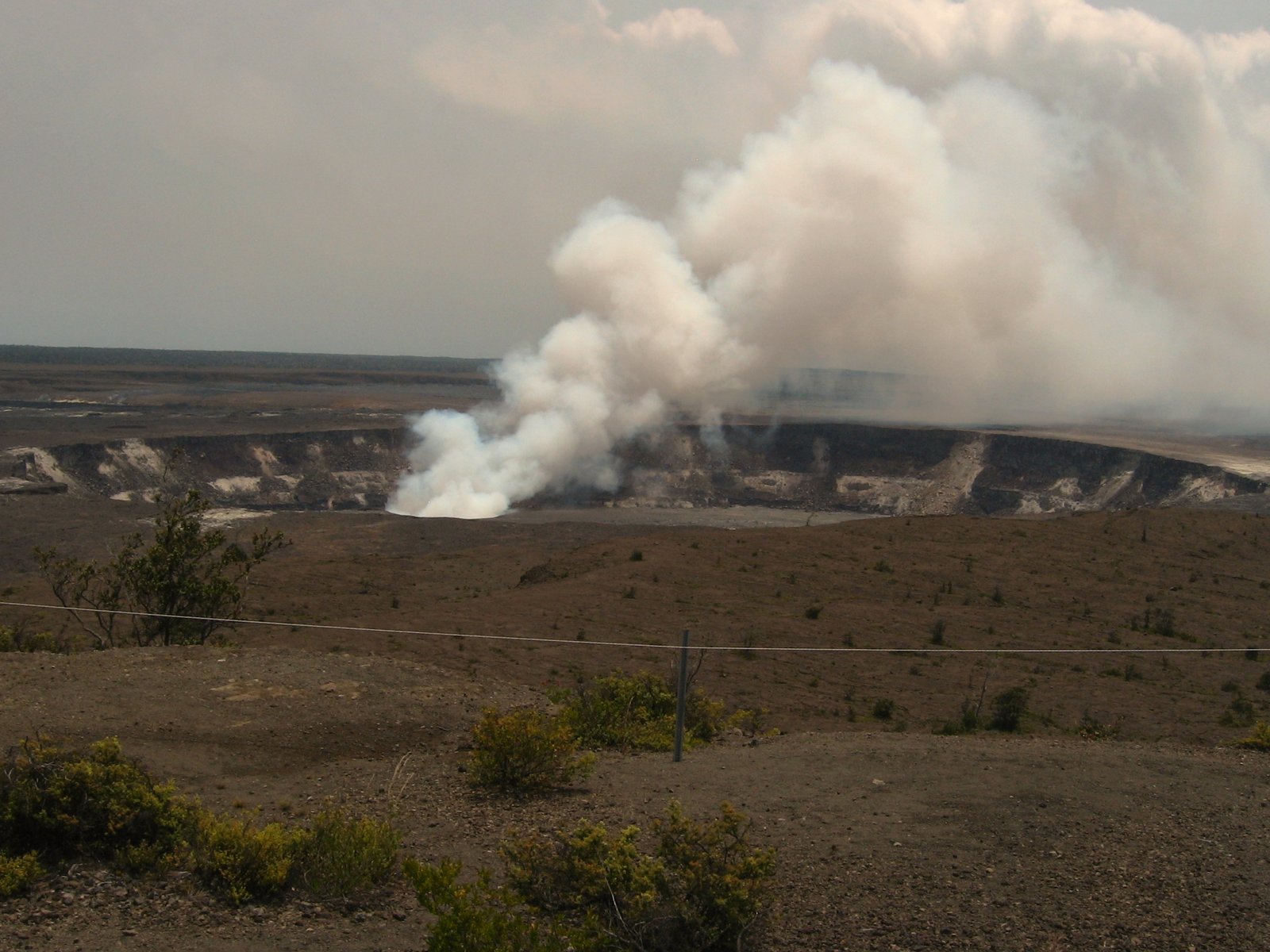
Hawaiʻi Volcanoes National Park
Walk across cooled lava, peer into Kīlauea's caldera, and explore a lava tube — the beating heart of the Big Island.
Explore →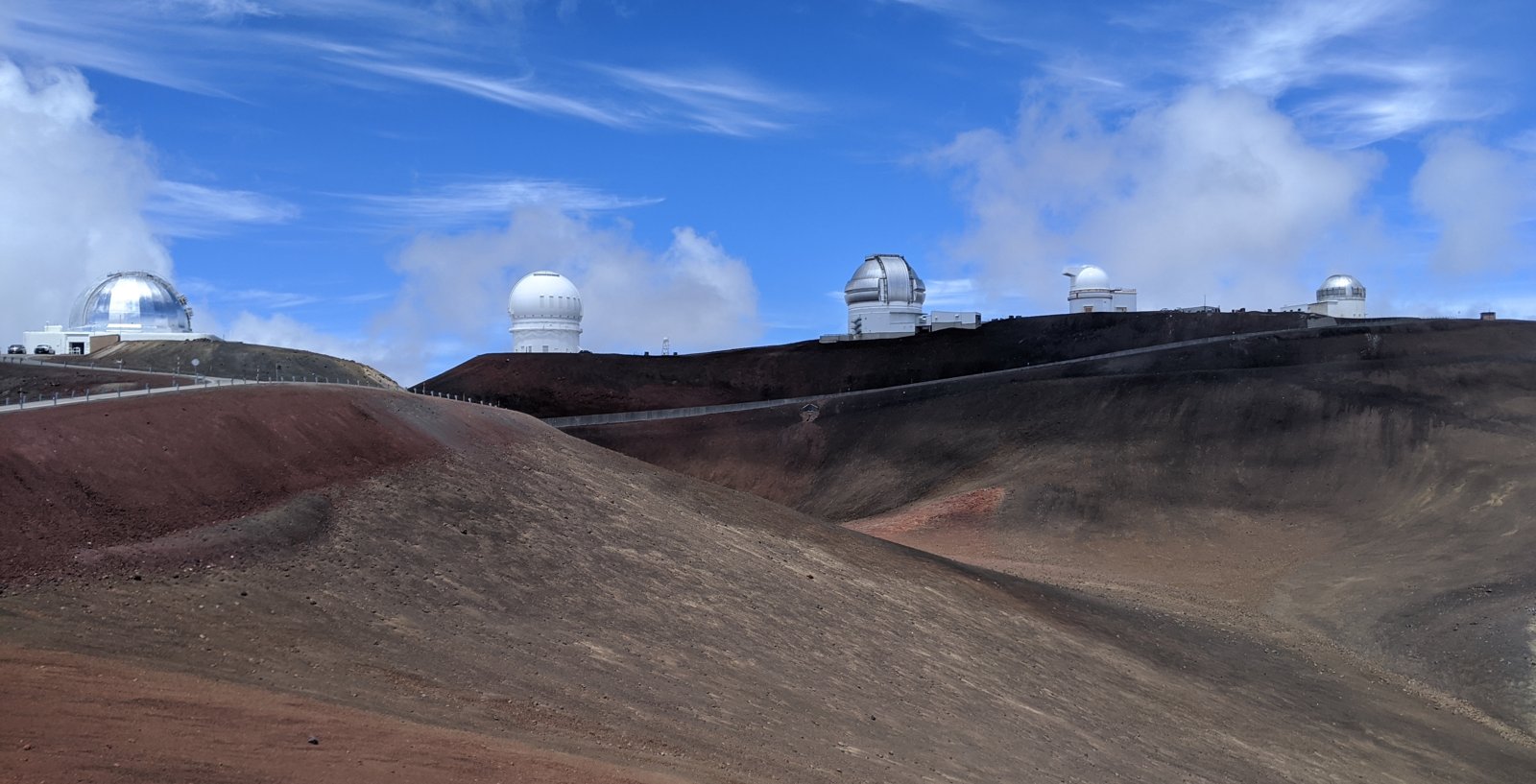
Maunakea stargazing
Above the clouds on the slopes of Maunakea, watch a sky as dark and star-thick as anywhere on earth.
Explore →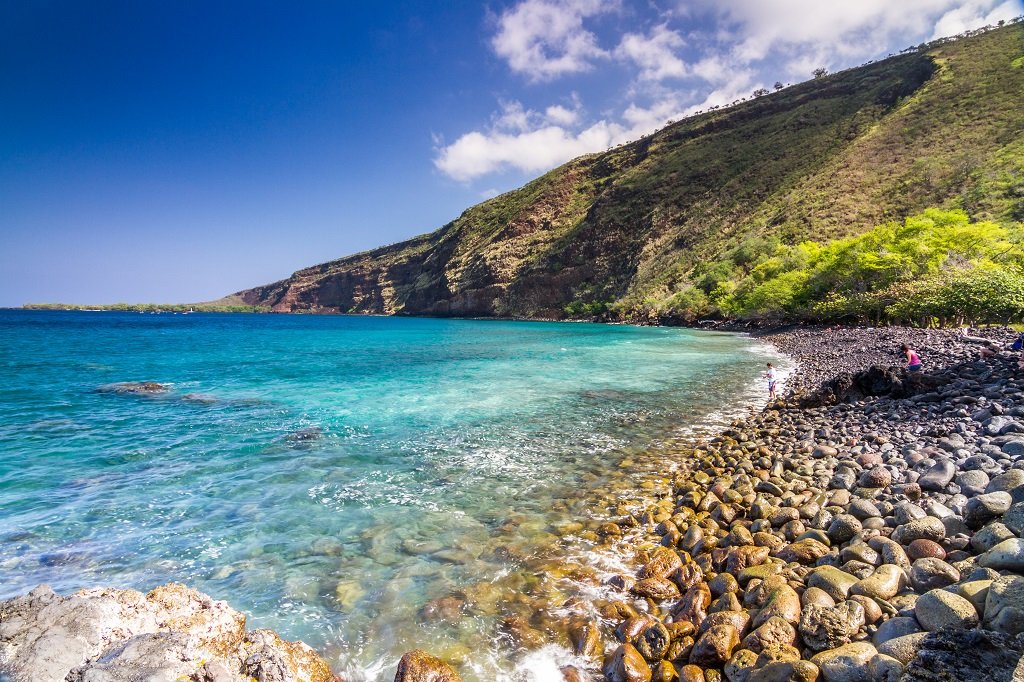
Kealakekua & manta snorkel
Snorkel a clear Kona marine preserve by day, then loop with manta rays under the lights at night.
Explore →
Kona coffee farm tour
Tour a working farm on Kīlauea's western slope — the only major coffee-growing region in the U.S.
Explore →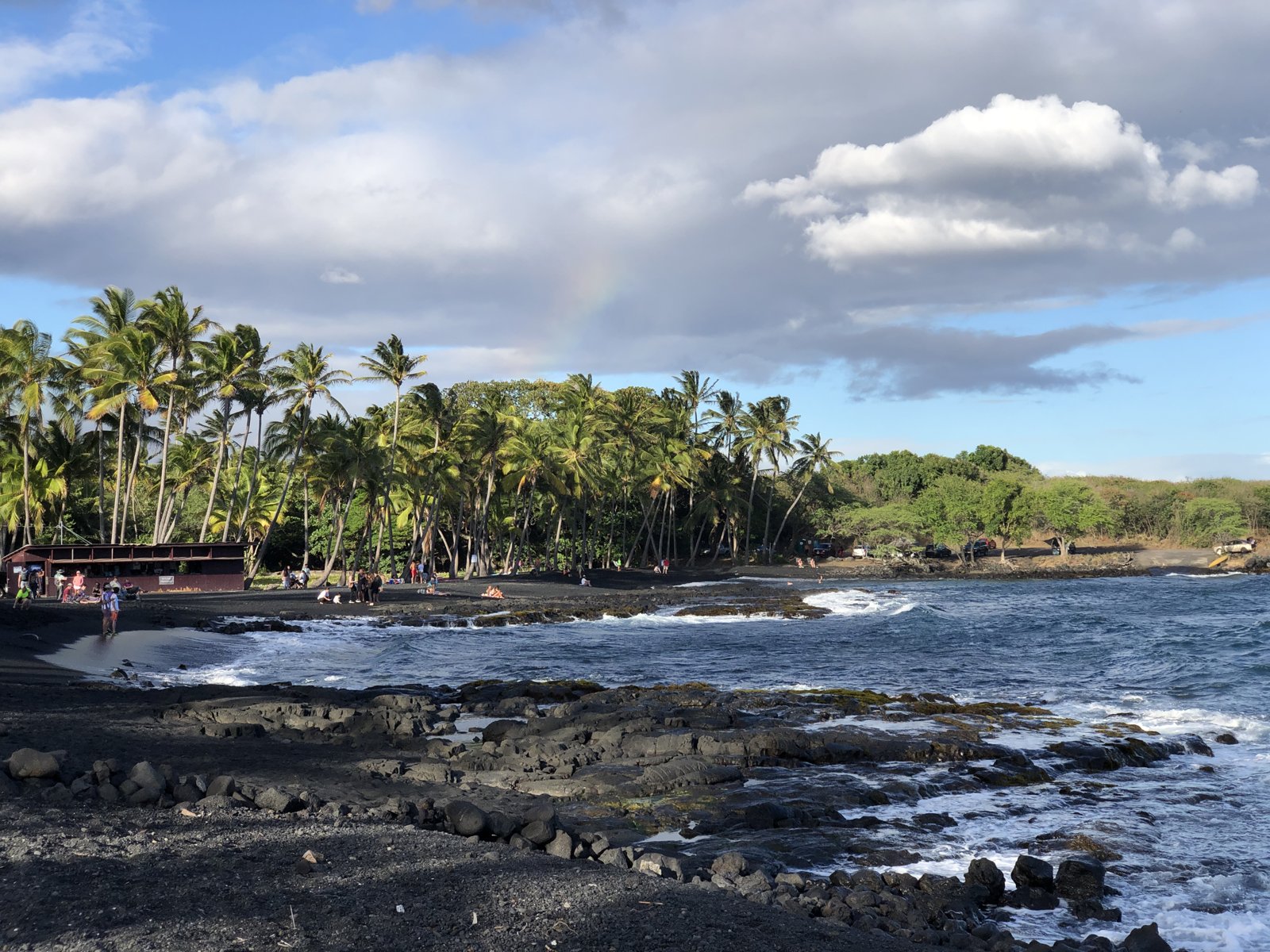
Punaluʻu black-sand beach
A jet-black volcanic beach on the Kaʻū coast where green sea turtles haul out to rest.
Explore →Photos: Ken Lund (CC BY-SA 2.0) · Leijurv (CC BY-SA 4.0) · Nikhil Nachappa (CC BY-SA 4.0) · Christopher Michel (CC BY 2.0) · Famartin (CC BY-SA 4.0)
Know before you go
Plan your visit
Is it erupting?
Whether you'll see active lava depends entirely on Kīlauea's current activity. Check the NPS 'current conditions' page and the USGS Hawaiian Volcano Observatory status before your trip — eruptions come and go.
Elevation & weather
The park's summit area sits near 4,000 feet and is often cool, wet, and foggy; Maunakea's summit is ~13,800 feet, with real altitude and cold. Bring warm layers for both.
Getting there
Hawaiʻi Volcanoes National Park is about 45 minutes from Hilo and roughly 2 to 2.5 hours from Kailua-Kona. The island is big — plan for drive time.
Safety & vog
Stay on marked trails; volcanic terrain, cliffs, and vog (volcanic smog) are real hazards. Follow park and USGS guidance, especially near vents and active flows.
Book it
Tours & experiences
AlohaCalendar may earn a commission from bookings through these partners — see our affiliate disclosure.
Things to Do in Hawaii
Tours, activities & unforgettable experiences
 $189+
$189+Kilauea Volcano & Stargazing
$189+Visit Hawaii Volcanoes National Park, see active lava flows, then stargaze at 6,500 feet.
 $99+
$99+Manta Ray Night Snorkel
$99+Swim with giant manta rays on the Kona Coast — one of Hawaii's most iconic experiences.
 $139+
$139+Big Island Waterfall Tour
$139+Visit three stunning waterfalls on the Hamakua Coast including Akaka Falls.
Good to know
Big Island Volcanoes FAQ
Is Kīlauea erupting right now?
It varies — Kīlauea is one of the world's most active volcanoes, but its eruptions start and stop. Check the National Park Service 'current conditions' page and the USGS Hawaiian Volcano Observatory for the latest status before you plan your visit.
What is there to see at Hawaiʻi Volcanoes National Park?
The Kīlauea summit caldera, steam vents, the Nāhuku lava tube, cinder cones, vast lava fields, and the Chain of Craters Road down toward the coast. When Kīlauea is erupting, there may also be a chance to see the glow after dark.
Where's the best place to see lava?
It depends on where and whether Kīlauea is erupting. The National Park Service posts current viewing locations and conditions; there's no permanent lava-viewing spot, so always check before you go.
Can you visit the summit of Maunakea?
The Maunakea Visitor Information Station at about 9,200 feet is the usual base for stargazing and acclimatizing. Going above it to the ~13,800-foot summit involves serious altitude and specific access considerations; many visitors go with a guided operator.
How far is the park from Kona and Hilo?
Hawaiʻi Volcanoes National Park is roughly 45 minutes from Hilo and about 2 to 2.5 hours from Kailua-Kona by car.
Is it safe to visit an active volcano?
Yes, from designated areas — the National Park Service keeps overlooks and trails open based on current conditions. Stay on marked paths, heed closures, and be aware of vog. Never approach active flows or vents outside permitted areas.
Plan around it
More on Hawaiʻi Island
Never Miss a Thing
Get the best upcoming events across Hawaii delivered to your inbox. No spam, just good vibes.