Big Island · On the water
Kealakekua Bay & Manta Snorkel
Kona's clearest bay by day, manta rays by night
Location
Kona coast, Big Island
Day site
Kealakekua Bay marine preserve
Landmark
Captain Cook Monument, Kaʻawaloa
Night draw
Manta ray snorkel/dive off Kona
This is a two-part ocean day on the leeward Kona coast. By day, boats run to Kealakekua Bay, a state Marine Life Conservation District with some of the clearest, most protected snorkeling in the islands. After dark, a separate signature outing heads to the manta ray sites off Keauhou-Kona, where dive lights draw plankton and reef manta rays glide in to feed.
The experience
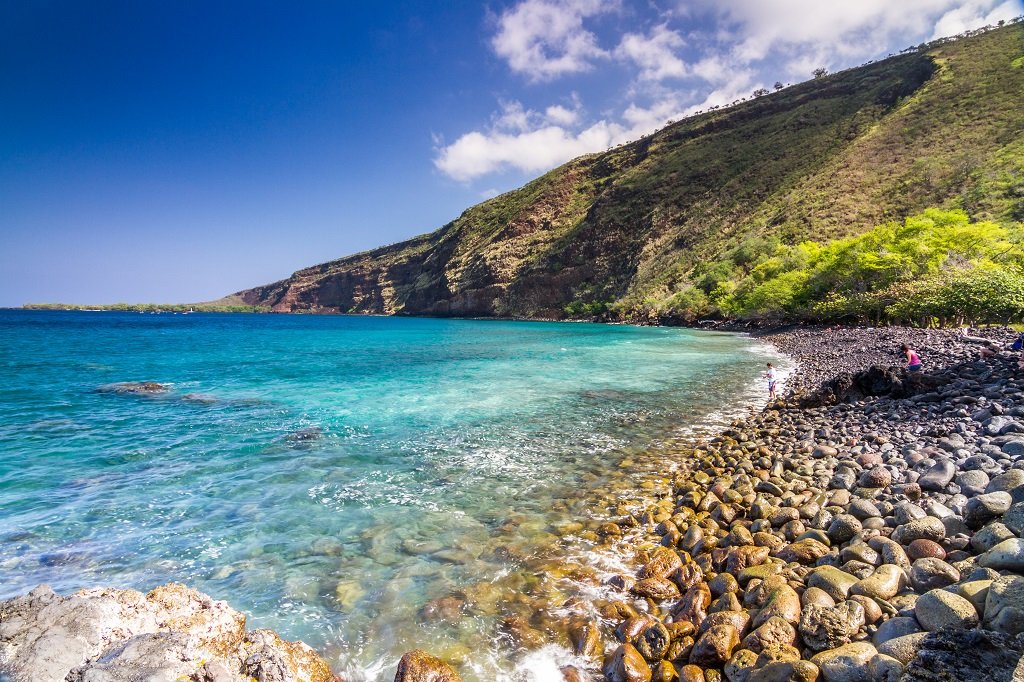
By day, boats run to Kealakekua Bay, a state Marine Life Conservation District whose calm, sheltered water and healthy coral make it one of the clearest, most protected snorkeling spots in the islands; the white Captain Cook Monument on the far shore marks the historic Kaʻawaloa side of the bay. After dark, a separate outing heads to the manta ray sites off the Keauhou-Kona shoreline, where dive lights draw plankton and reef manta rays glide in to feed, letting snorkelers and divers watch the huge, harmless rays wheel just below the surface. Both are weather- and ocean-dependent, and the marine preserve has access and conduct rules meant to keep the reef intact.
Volcanic Big Island context
The whole coast is the product of volcanism. The Big Island is built from five volcanoes, and its youngest, Kīlauea and Mauna Loa, are among the world's most active over geologic time; Kīlauea in particular erupts in episodes that come and go, so any given visit may or may not coincide with surface lava — check current conditions with the USGS Hawaiian Volcano Observatory rather than assuming. That same volcanic origin shapes the water: lava-rock shorelines, steep underwater drop-offs, and porous ground that filters runoff all help give the Kona side its exceptional clarity.
How it fits a trip
A day-and-night snorkel pairing anchors a Kona-side stay and slots naturally into a wider Big Island loop. Many travelers combine the bay and manta outings with a drive up to Hawaiʻi Volcanoes National Park, a trip toward Maunakea's high-elevation viewpoints, and stops at coffee farms and beaches along the Kona coast. Because the manta experience runs after sunset and the bay tours run mid-day, the two can be done on the same date or split across a couple of days.
Local tip
Snorkel Kealakekua Bay in the morning when the water is calmest and clearest, and save the manta encounter for after dark. Both are ocean-dependent, so build in flexibility — and choose reef-safe sunscreen.
Book & reserve
Kona snorkel & manta operators
Official sites and operators for this experience. AlohaCalendar doesn't sell tickets — book or reserve direct on their own sites.
Fair Wind Cruises
KonaRuns daily Kona snorkel tours into the protected waters of Kealakekua Bay, home of the historic Captain Cook Monument.
Visit site ↗Sea Paradise Hawaii
Keauhou BayOperates snorkel and manta ray tours from Keauhou Bay aboard a catamaran — daytime trips to Kealakekua Bay and evening manta encounters at Manta Village.
Visit site ↗Body Glove Cruises
Kailua-KonaLocally owned and operated since 1988, offering Kona snorkel tours and manta ray night snorkels off the Big Island's Kona coast.
Visit site ↗Run one of these outfits? Feature your business →
Book it
Tours & experiences
AlohaCalendar may earn a commission from bookings made through these partners — see our affiliate disclosure.
Things to Do in Hawaii
Tours, activities & unforgettable experiences
 $189+
$189+Kilauea Volcano & Stargazing
$189+Visit Hawaii Volcanoes National Park, see active lava flows, then stargaze at 6,500 feet.
 $99+
$99+Manta Ray Night Snorkel
$99+Swim with giant manta rays on the Kona Coast — one of Hawaii's most iconic experiences.
 $139+
$139+Big Island Waterfall Tour
$139+Visit three stunning waterfalls on the Hamakua Coast including Akaka Falls.
More things to do
Nearby on Hawaiʻi Island
Hawaiʻi Volcanoes National Park
Kīlauea, lava landscapes, and an island still building itself
Maunakea Stargazing
Sunset and world-class dark skies atop the Big Island
Kona Coffee Farm Tour
Walk the only major coffee-growing region in the U.S.
Punaluʻu Black-Sand Beach
Jet-black volcanic sand where honu bask
For business owners
Run a Kona snorkel or dive tour?
Visitors planning a Big Island trip look here for snorkel and manta tours. Get an official AlohaCalendar listing so they find you first.
Photos: Nikhil Nachappa (CC BY-SA 4.0)
Never Miss a Thing
Get the best upcoming events across Hawaii delivered to your inbox. No spam, just good vibes.