Hula Lessons in Hawaii
Hula is a living library told with hands and feet — take even one lesson and you watch the dance completely differently for the rest of your life.
Hula is not just a dance — it is a form of documentation. Every gesture narrates something specific: a land, a chief, a plant, a wave pattern, a love story. Before written Hawaiian, hula preserved history, genealogy, and navigation knowledge across generations. The hands tell the words; the feet root you to the earth.
Two distinct styles: Hula Kahiko (ancient hula, accompanied by chant and percussion — ipu gourds, pahu shark-skin drums, rattles) and Hula ʻAuana (modern hula, with ukulele, guitar, and melody — the style you see at lūʻau). Both are living traditions. Visitor beginner classes focus on ʻAuana because it's more immediately accessible.
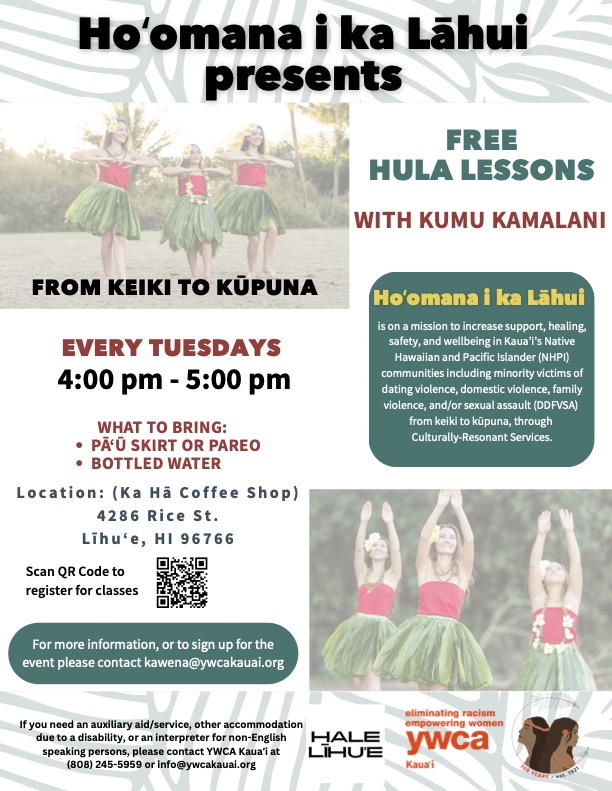
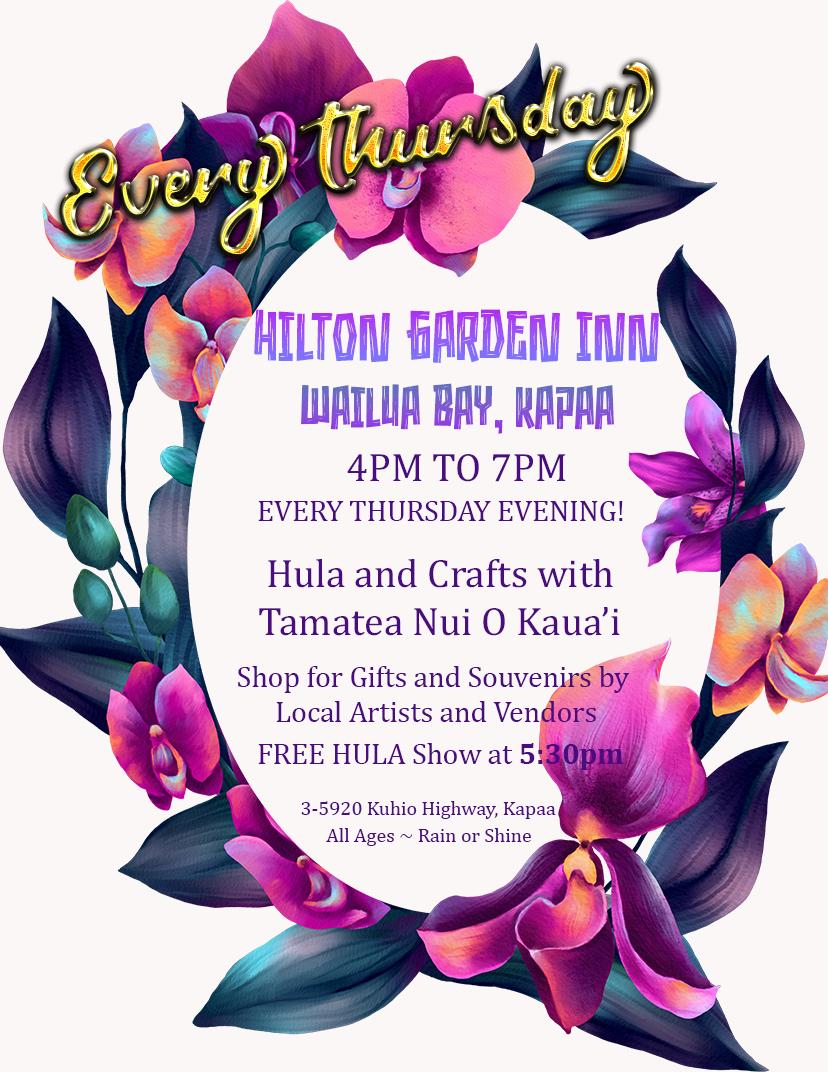
Free hula is everywhere if you know where to look. Kūhiō Beach Hula Mound in Waikīkī (Monday, Wednesday, Friday, Saturday 6–7 PM, weather permitting) is a free public performance with real kumu hula and their hālau. Royal Hawaiian Center (Waikīkī, free cultural programs weekdays) offers beginner hula 30-minute lessons. Both are better than the average resort show.
The Merrie Monarch Festival in Hilo each April is the world championship of hula — a week-long competition that draws the top hālau from across Hawaii and the Pacific. Most events are free to watch and represent hula at its highest level. Nothing in a resort show compares.
Common questions
Where can I take a beginner lesson?
Royal Hawaiian Center (Waikīkī, free weekday lessons Mon-Fri 10 AM, 45 min). Most large resort hotels offer 30-minute cultural programs. Polynesian Cultural Center (Lāʻie, Oʻahu) has structured workshops. Maui Arts & Cultural Center has occasional community workshops.
How long does it take to learn a song?
A simple hula song (2-3 verses) takes about 4-8 hours of practice to perform at a basic level. Professional haumāna (students) train for years under kumu hula. The beginner lesson teaches you the 10-12 core hand gestures and a song or two — enough to understand the language.
Is it appropriate for anyone to learn?
Visitor beginner lessons are offered widely and welcomed. The deeper tradition — hālau training, sacred chants, specific protocol — is at the discretion of individual kumu hula. The invitation to learn basics is open; the deeper knowledge is earned.
Where to see professional hula?
Merrie Monarch Festival, Hilo (April, most events free). King Kamehameha Day (June 11) celebrations include hula statewide. Nā Hōkū Hanohano awards (Hawaiian Grammys) feature performances. Local hālau regularly perform at community centers — check AlohaCalendar.