Photo: Unsplash
Surfing in Hawaii
From mellow Waikīkī rollers to Banzai Pipeline barrels — the birthplace of surfing has a wave for every level.
Best season
Depends on shore
Winter N · Summer S
Lesson cost
$75–$150
Group vs. private
Where to learn
Waikīkī
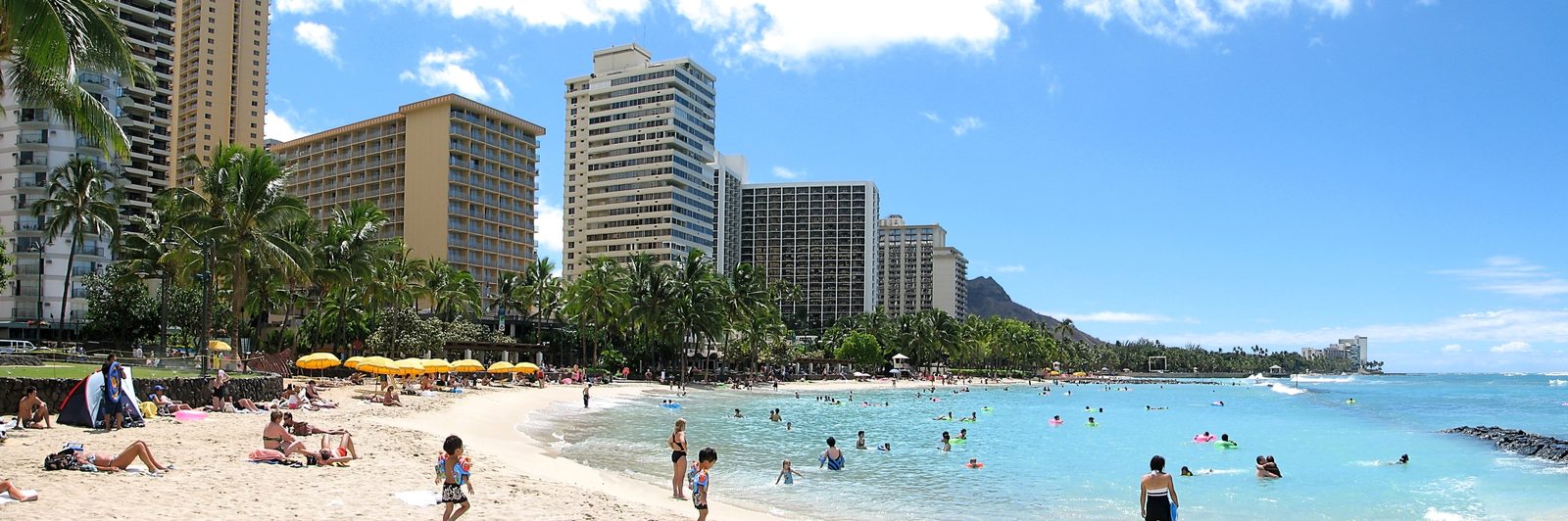
Gentle, rolling waves
Skill level
First-timer to pro
Everyone starts somewhere
Surfing was invented in Hawaiʻi. The Hawaiians had been riding waves on hardwood planks for centuries before Captain Cook arrived. Today, Hawaiʻi is still the global capital of the sport — and the best place on Earth to learn.
Beginner spots line Waikīkī (long, slow, forgiving). Intermediate spots are scattered around all four major islands. Advanced spots — Pipeline, Sunset, Jaws — are world-famous and dangerous.
Pick the right season for the right side: winter (Nov-Apr) for north/west shores big waves, summer (May-Oct) for south shores mellow rides.
The rundown
What to know
Where the waves are
Hawaiʻi's swells switch shores by season: north- and west-facing breaks fire in winter (roughly October–April), south shores turn on in summer. Waikīkī's long, gentle rollers are the birthplace of modern surfing and the best place to learn.
Learning to surf
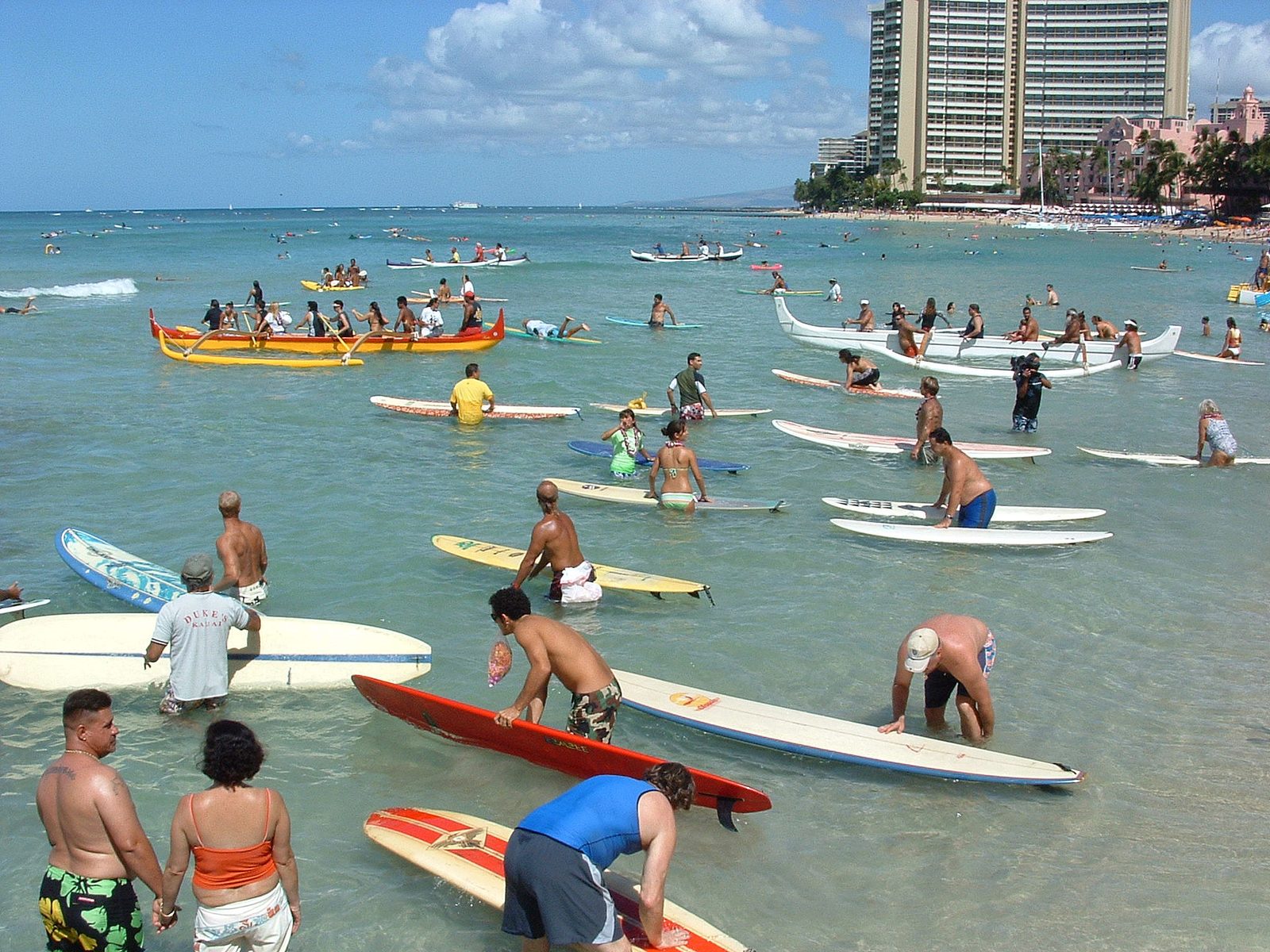
A two-hour beginner lesson at Waikīkī gets most people standing up on a soft-top longboard. Instructors read the conditions, push you into the right waves, and keep you clear of the reef and other surfers.
Respect the lineup
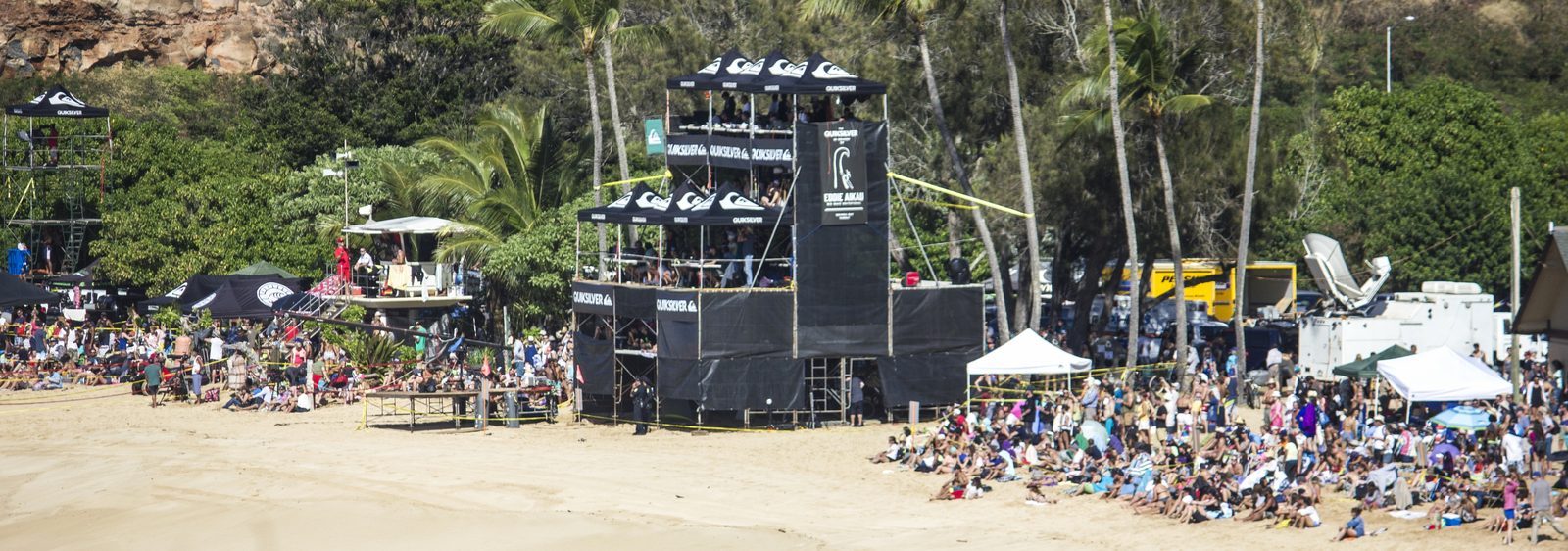
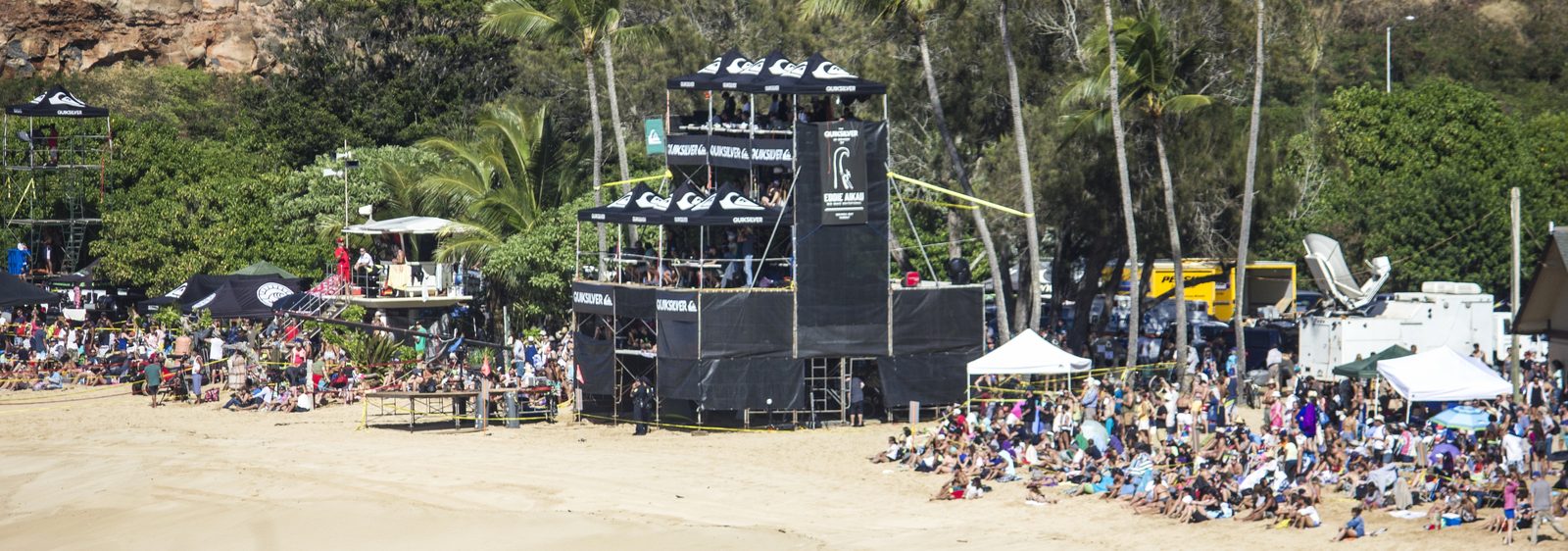
Surfing has real etiquette: don't drop in on someone already riding, wait your turn, and know your limits. Big-name breaks like Pipeline are expert-only — watch from the sand unless you truly belong out there.
Island by island
Where to go
Oʻahu
14 upcomingWaikīkī for beginners; the North Shore (Pipeline, Sunset, Waimea) is the winter proving ground for the world's best.
Oʻahu events →Maui
1 upcomingLahaina and Kīhei have friendly breaks; Honolua Bay and Peʻahi (Jaws) are for experts only.
Maui events →Kauaʻi
Hanalei Bay is the north-shore classic in winter; Poʻipū offers mellower south-shore waves in summer.
Kauaʻi events →Big Island
2 upcomingSmaller surf scene — Kahaluʻu Bay near Kona and Honoliʻi outside Hilo are the go-to spots.
Big Island events →In pictures
Surfing in Hawaii
Know before you go
Plan your visit
Season & shore
Winter (Oct–Apr) lights up north and west shores with big, powerful surf; summer swings the swell to south shores. Beginners should match the calm side of the season.
Lessons
Book a group or private lesson with a licensed school — they provide the board, rash guard, and safety brief, and put you where the waves are forgiving.
Etiquette
One surfer per wave, don't drop in, and paddle wide around the lineup. Locals share when respect is shown.
Safety
Know the break before you paddle out, mind the reef, and never surf beyond your ability. Winter North Shore surf is life-threatening for the unprepared.
Common questions
Best beginner break?
Canoes or Queen's at Waikīkī. $80-100 group lessons, $150 private. Boards rent for $20-30/day after.
When's the surf big?
North-facing shores: November-April (Pipeline season). South-facing shores: May-October. East-facing shores: trade-wind chop, less consistent.
Best surf school?
Waikīkī: Hawaiian Fire Surf School, Hans Hedemann, Ty Gurney. North Shore: Sunset Suzy. Maui: Maui Surfer Girls (Pāʻia area).
Etiquette I should know?
Don't drop in on someone already up. Paddle around lineups, not through. Smile + nod to locals. Respect the priority order: closer to the peak = your wave.
Upcoming surfing in hawaii events



Book & reserve
Waikīkī surf schools
Established operators for this experience. AlohaCalendar doesn't sell tickets — book or reserve direct on their own sites.
Faith Surf School
Waikīkī, HonoluluFounded in 2000 by Hawaiian pro surfer Tony Moniz and family-run ever since, teaching surfing, SUP, and outrigger canoe surfing in the heart of Waikīkī.
Visit site ↗Ohana Surf Project
Waikīkī, HonoluluSurf, stand-up paddle, and bodyboard lessons from its center on the Diamond Head end of Waikīkī, with a family-friendly, personalized approach.
Visit site ↗Big Wave Dave Surf Co
Waikīkī, HonoluluSurf school founded by longtime Waikīkī beach boy Dave Carvalho, offering private and group lessons a short walk from the beach.
Visit site ↗Star Beachboys
Waikīkī, HonoluluCarrying the beach-boy tradition since 1972 with surf lessons, board rentals, and outrigger canoe rides on the sand at Waikīkī.
Visit site ↗Run one of these outfits? Feature your business →
Book it
Tours & experiences
AlohaCalendar may earn a commission from bookings made through these partners — see our affiliate disclosure.
Things to Do in Hawaii
Tours, activities & unforgettable experiences
 $119+
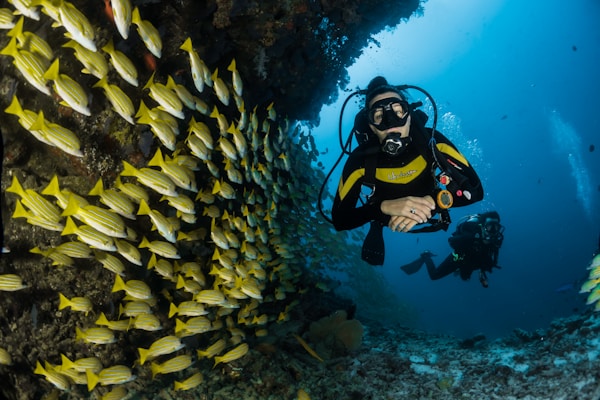
$119+Snorkeling with Dolphins Catamaran
$119+Sail along Oahu's west coast, snorkel with dolphins and sea turtles on a luxury catamaran.
 $59+
$59+Waikiki Sunset Sail
$59+Sail from Waikiki Beach on a catamaran as the sun sets over the Pacific with complimentary drinks.
 $89+
$89+Molokini Snorkel & Whale Watch
$89+Snorkel the crystal-clear waters of Molokini Crater and watch for humpback whales (seasonal).
 $99+
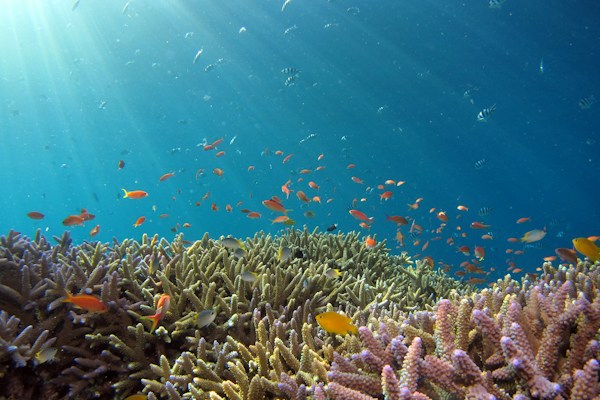
$99+Manta Ray Night Snorkel
$99+Swim with giant manta rays on the Kona Coast — one of Hawaii's most iconic experiences.
For business owners
Run a surf school or board-rental shop?
Reach visitors the moment they decide to catch their first wave. List your business free and get found by travelers searching for lessons island by island.