Lūʻau Guide for Hawaii Visitors (2026): How to Pick the Right One
What Is a Luau, Really?
A luau is a traditional Hawaiian feast and celebration — historically associated with rites of passage, harvests, and community gatherings. The centerpiece is typically kalua pig, cooked in an imu (an underground oven of hot lava rocks) for several hours until falling apart. Traditional foods like poi (pounded taro), lomi salmon, haupia (coconut pudding), and fresh fish surround it. Hula, chant, and music accompany the meal.
Commercial luaus for visitors have existed since at least the mid-20th century. The best of them preserve genuine elements of the tradition — real imu cooking, authentic hula, actual Hawaiian storytelling. The worst are buffet dinner shows with a superficial Hawaiian veneer. Here is how to tell the difference and which luaus on each island are worth your time and money.
The Spectrum: Authentic to Tourist Trap
The clearest marker of quality is the imu ceremony. When a luau actually cooks the kalua pig on-site in a pit, demonstrates the process, and explains its cultural significance, the overall experience tends to be more thoughtful throughout. When the kalua pig appears from a hotel kitchen, that tells you something about the operator's priorities.
The second marker is the hula. Traditional hula (hula kahiko) is a chant-and-percussion-driven storytelling form with deliberate, grounded movement. Contemporary hula (hula auana) is the more graceful, musical form most people recognize. Both are legitimate. What signals a low-quality show is choreography that prioritizes crowd excitement over cultural accuracy — spinning fire batons are Polynesian but not specifically Hawaiian, and when they dominate the show, the production has prioritized spectacle over substance.
Best Luaus by Island
Oahu: Old Lahaina Luau has moved to Maui, but on Oahu, the Polynesian Cultural Center in Laie offers the most culturally substantive experience — a full afternoon of Pacific Island village exploration followed by the Ali'i Luau and HUKI evening show. For spectacle and oceanfront setting, Paradise Cove at Ko Olina is the best-executed large-scale option. For convenience, Drums of the Pacific at the Hyatt Waikiki is walkable from Waikiki and professionally produced.
Maui: Old Lahaina Luau is the benchmark for authentic Hawaiian luau experience in the state — on-site imu, traditional hula, genuine storytelling. Feast at Lele in Lahaina offers private beachfront table dining with a multi-island Polynesian show for a more intimate, upscale version. Both run $150-200+.
Big Island: The Kohala Coast resort corridor hosts several luau events, including options at the Mauna Kea and Fairmont Orchid properties. Scale is smaller than Oahu's major productions. Some smaller private operators run events in upcountry and rural settings that offer a more intimate atmosphere.
Kauai: The Grand Hyatt Kauai Luau (Luau Kalamaku) in Poipu is consistently well-reviewed — it runs on a working plantation at the Kilohana Estate, uses a tram ride through the property as part of the experience, and has an above-average cultural component for a resort luau. The Polynesian revue here is strong.
What to Budget and When to Book
- Standard commercial luaus: $150-200 per adult, children often discounted or free under 5
- Premium options (Feast at Lele, PCC premium packages): $200-300+
- Book at least 1-2 weeks ahead for any luau; Old Lahaina, PCC, and Paradise Cove book out fastest in peak season
- Peak season: December through April, June through August — book earlier during these windows
- Open bar: Included at virtually all major commercial luaus — usually starts at the gates
The Pre-Show Is Part of the Experience
Gates open 30-60 minutes before the formal program. This pre-show period is often the most genuinely educational part of the evening: imu unearthing, lei making, coconut weaving, lauhala weaving, taro pounding demonstrations. Don't arrive at curtain time. Show up early, try the activities, and talk to the cultural practitioners doing the demonstrations. At a good luau, they know what they're talking about and enjoy sharing it.
A lūʻau is a Hawaiian feast — but the word covers everything from a backyard family gathering to a million-dollar hotel production with fire dancers. If you're visiting Hawaiʻi, here's how to pick the right one for your group.Looking for things to do in Hawaii? Browse upcoming events →
Related Reading
- Island Hopping Hawaii Guide 2026: Flights, Costs, and Tips
- Hawaii Weekend Events: Your Go-To Guide for What’s Happening Every Week
- Hawaii Summer Events 2026 — Festivals, Concerts & Beach Days to Look Forward To
Related luau guides
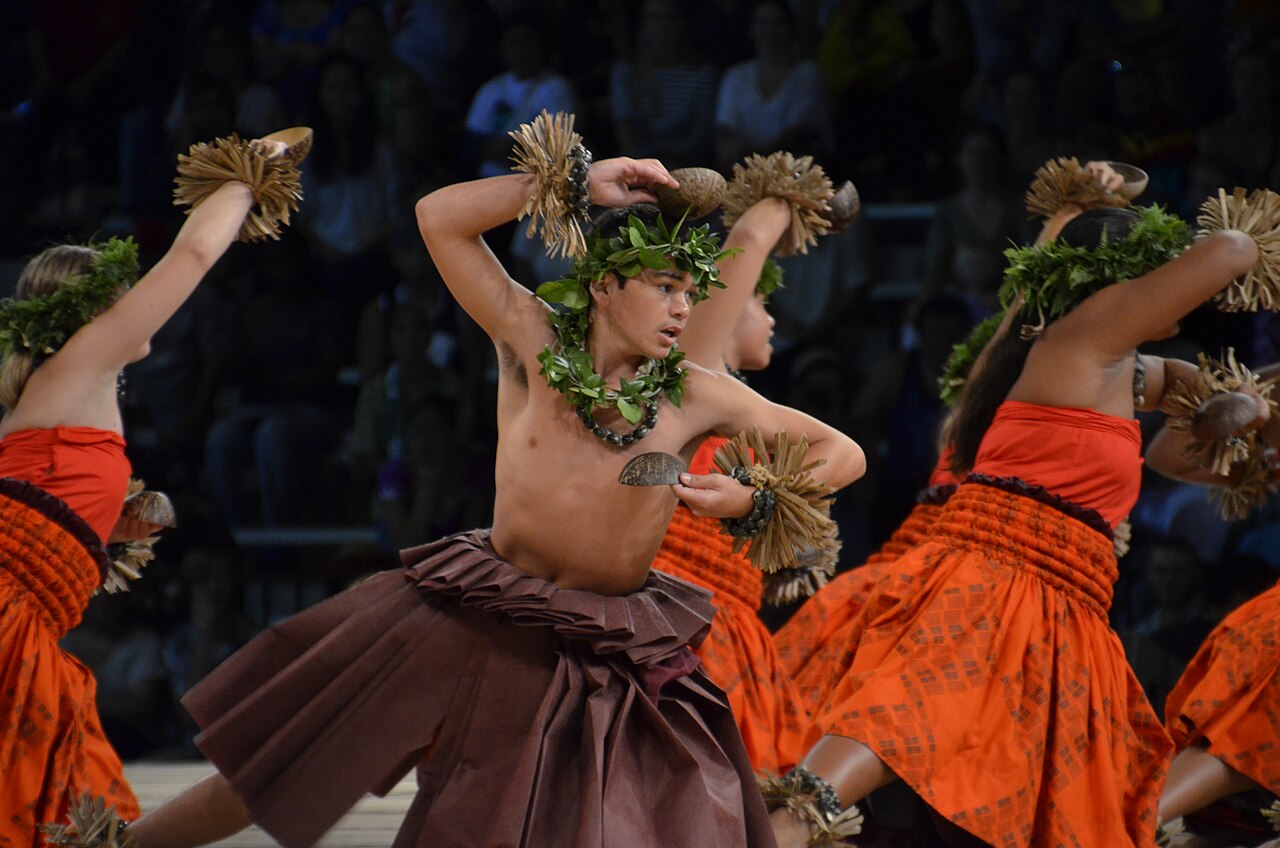
Cover photo: “Hula dancers” by Thomas Tunsch, CC BY-SA 4.0, via Wikimedia Commons.
.jpg)
Stay in the loop
Get the Friday Hawaii events email
Free. One email a week with what's happening across the islands. No spam, unsubscribe anytime.