Best Cultural Experiences in Hawaii — Not Just Luaus
Beyond the Luau: Real Cultural Experiences in Hawaii
Luaus are real and some are good, but they are one slice of a very deep culture. Hawaii has living traditions in language, navigation, agriculture, art, music, and healing that have survived colonization and are actively practiced and taught today. Here is how to engage with Hawaiian culture at a more meaningful level.
Iolani Palace — The Kingdom's Center
Iolani Palace in downtown Honolulu is the only royal palace on American soil. Built by King Kalakaua in 1882, it was the seat of the Hawaiian Kingdom until the 1893 overthrow, after which it was used as a government building, then a jail for Queen Liliuokalani. The restored palace now tells the story of the Hawaiian monarchy with guided tours that are among the most historically substantive experiences on the island. The docents here are knowledgeable and many are Native Hawaiian. Allow 90 minutes minimum.
Bishop Museum — Pacific History at Scale
The Bishop Museum in Kalihi holds more than 25 million specimens and cultural objects. The Hawaiian Hall inside the Victorian-era building contains kapa cloth, featherwork cloaks, navigational instruments, and everyday objects from pre-contact Hawaii. The new Pacific Hall puts Hawaiian culture in the context of the broader Polynesian world. Planetarium shows are included with admission. This is a full day of serious learning and it earns every minute.
Polynesian Cultural Center — Laie
The Polynesian Cultural Center in Laie on the North Shore is technically a tourist attraction, but it is operated by Brigham Young University Hawaii with an educational mission and employs Pacific Islander students from seven nations. The village reconstructions are genuine, the demonstrations are led by people from those cultures, and the evening luau show has real production quality. It is 45 minutes from Honolulu and costs $60-$120 depending on the package. Worth it as a multi-culture Pacific immersion.
Kualoa Ranch — Living Landscape
Kualoa Ranch on the Windward side occupies land that is sacred in Hawaiian tradition — a place where ali'i (chiefs) sent their children to be raised and educated. The ranch offers cultural tours alongside the film-location tours (Jurassic Park was filmed here). The Ahupua'a tour explains the Hawaiian land division system that governed resource management across an entire watershed. This is cultural geography done well.
Hawaiian Language Classes
The Hawaiian language (Olelo Hawaii) was nearly extinct in the 1970s. Immersion schools, university programs, and community classes have revived it significantly. The University of Hawaii at Manoa offers Hawaiian language courses open to non-degree students. Kamehameha Schools community programs offer Hawaiian language and culture classes at various levels. Even a single workshop gives a completely different frame for understanding place names, songs, and the landscape itself.
Hula Halau — Watching and Participating
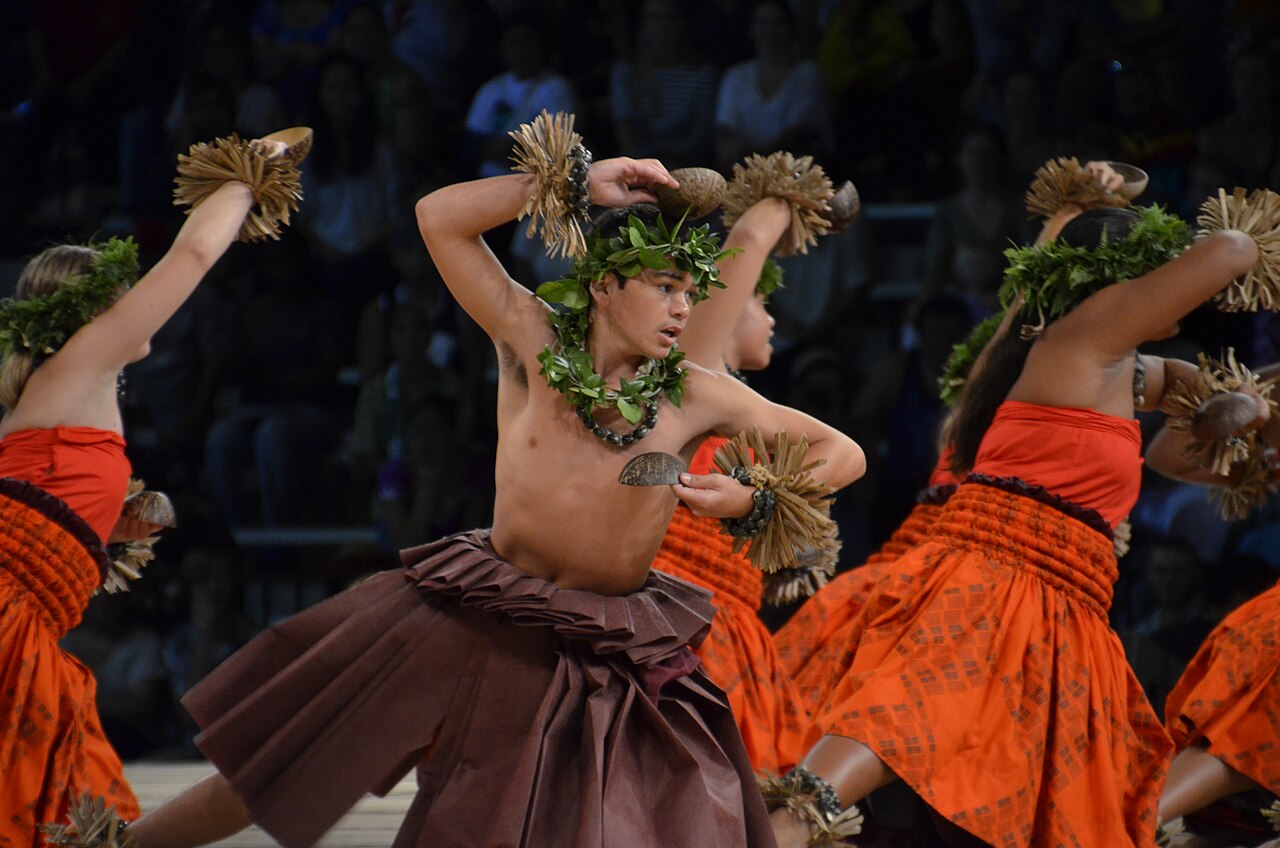
Hula is not entertainment — it is physical literature. Each hand gesture, foot pattern, and movement carries specific meaning derived from the mele being performed. Merrie Monarch Festival (Big Island, April) is the peak annual event for serious hula. On Oahu, Kapiolani Bandstand in Kapiolani Park hosts public hula performances during cultural events. Some halau (schools) welcome respectful visitors to observe practice sessions — ask locally or through the Honolulu Museum of Art's cultural program calendar.
Ha: Breath of Life — Polynesian Cultural Center
The evening show at the Polynesian Cultural Center, Ha: Breath of Life, is genuinely moving — a theatrical telling of a Polynesian man's life journey using fire, dance, and music. It is a show, not a ceremony, but it is performed with real skill and cultural knowledge. Better than most luaus as a way to understand Polynesian narrative and performance.
What Makes a Cultural Experience Real vs. Performance
- Is the cultural practice being explained or just displayed? Real cultural experiences teach the why, not just the what.
- Are the practitioners from the culture being presented? This matters.
- Does the experience acknowledge difficult history — the overthrow, the language suppression, land loss? Honest cultural education includes this.
- Is there an opportunity to ask questions and have a conversation rather than just watch?
The Luau Is Not the Whole Story
Looking for things to do in Hawaii? Browse upcoming events →
Related Reading
- Best Stargazing Spots in Hawaii — Not Just Mauna Kea
- Best Luaus on Oahu, Maui & Big Island 2026
- Hawaii Honeymoon Guide: Best Islands and Where to Stay
Related guides
Cover photo: “Hula dancers” by Thomas Tunsch, CC BY-SA 4.0, via Wikimedia Commons.
.jpg)
Stay in the loop
Get the Friday Hawaii events email
Free. One email a week with what's happening across the islands. No spam, unsubscribe anytime.